The Cornell Lab Bird Academy › Discussion Groups › Growing Wild: Gardening for Birds and Nature › Give Birds What They Need
-
Bird AcademyBird AcademyWhat did you discover as you examined your outdoor space for what you are already giving birds? Share what you learned in the discussion below.You must be enrolled in the course to reply to this topic.
-
We moved to our new house in August. The bird activity is incredible! We have three ceiling to floor windows looking out onto some Arborvities and a small stream that runs through our 2 acres. We do have a Weeping Willow that this course says is not native. But, we will probably leave it there. We do have some kind if Cherry tree...my husband knows more about trees. He spent a lot of time with my step-father who was a retired forester. One of my favorite birds, the Red-breasted Nuthatch, seems to like the Arborvite so that will stay. I think we also have a couple of maple trees.
Not a lot of flowers, I don't think there are a lot of flowering plants either. That is one thing we will have to focus on. I don't like gardening, my mom had the green thumb and my great grandfather, on her side, was a botanist. That did not get to me...my brother enjoys it though. -
Red Oak, River Birch, Hemlock, Black Willow, Hackberry, Witchhazel, PawPaw, Black Elderberry (canadensis) and Redbud are some of the trees I've planted. We are losing a lot of our original pines and spruces due to beetles. Climate change isn't helping the conifers, and our arborist keeps telling us that in a few years, it will be too hot and dry to grow our native conifers here. We leave the snags up, there are about 5 or 6 right now and there will be three more this year.
We also put in a pond with a water fall and some burbling brooks. Different birds use different parts of the pond. It's too cold in the winter to keep it going, so we have a heated bird bath available along with several feeders for those that stay.
There are several native shrubs, hazelnut, button bush, winterberry, along with a large selection of native plants, including 5 varieties of goldenrod, native asters, obedient plant, turtlehead, sunflowers, mountain mint, spotted bee balm, native geraniums, golden Alexander and a number of others. We also have native river grape and clematis covering some of the snags.
Will continue to remove the non-natives and invasive that were here or blew in. -
I live on a .38 acre lot, and there are a multitude of tall conifers and deciduous trees in my yard and neighboring properties that support a variety of bird species. I am on the Pacific Flyway migration path in Western Washington, so once a year my backyard sounds like an aviary, and every October I have the privilege of hearing great horned owls high up in the trees across the street. With so many tall trees in my neighborhood, I learned that I need flowering shrubs in my yard if I want to see birds and not just hear them.
I have hardy fuchsia, hydrangea, rhododendron, andromeda, flowering dogwood, blueberry, salmonberry, an apple tree, a small wildflower garden and ornamental grasses, plus three handmade birdbaths, a few nesting balls of wool and dry grass hanging from shepherd's hooks, and two birdhouses. I now have resident black capped chickadees, robins and hummingbirds that nest in my yard, and woodpeckers, bluejays, songbirds (including whippoorwills) and birds I can’t yet identify come to my yard occasionally or show up for a few days during migration season. -
We are fortunate to have many trees, shrubs, and flowers that were already here when we moved in. I have been adding native perennials for the last two years. Here’s what we have:
An oak tree, a seed feeder (black oil, sunflower seeds), volunteer sunflowers, native grasses. I planted native shrubs but we don’t have many berries yet. We have a lot of flowers including a redbud tree, stonecrop, catmint, hostas, blue false indigo, sunflowers, black eyed Susans, cone flowers, wild Bergamot, Astors, and other native perennials. I have thick mulch in the flowerbeds and leave the leaf litter in the gardens. We also have large rocks. We see lots of bees, butterflies, bugs, caterpillars, worms, and other creatures. I have five bird baths and three bird houses. I’d like to add moving water sources in the front yard and the backyard. We have lots of shelter for the birds in the form of three large maple trees, an oak, several junipers, some box hedges, and a blue spruce bush where the house sparrows live.
I’m happy to have created a place where lots of birds like to live and hang out. I’m hoping to add many more native perennials to two flower beds next spring to make those gardens more lush. -
So, my yard is pretty good as is. I have planted a lot of natives over the last couple of years and removed invasives, which is an ongoing battle. I have established oaks, red maples, hemlocks, crabapples, rhododendrons, and other shrubs. The gardens have plants that bloom throughout the season. There are a couple of birdbaths and nest boxes as well as snags and brush piles. What needs to change: I learned that the spiraea that came with the house is Japanese spiraea so that needs to go. I am also planning to replace another section of lawn with native ground cover. I do not allow leaf blowers and the leaves will stay put in the plant beds as I have been doing for a few years. Thank heavens my pollinator friendly yard can flourish because with a long driveway off the street I am not subject to the "curb appeal" effect.
-
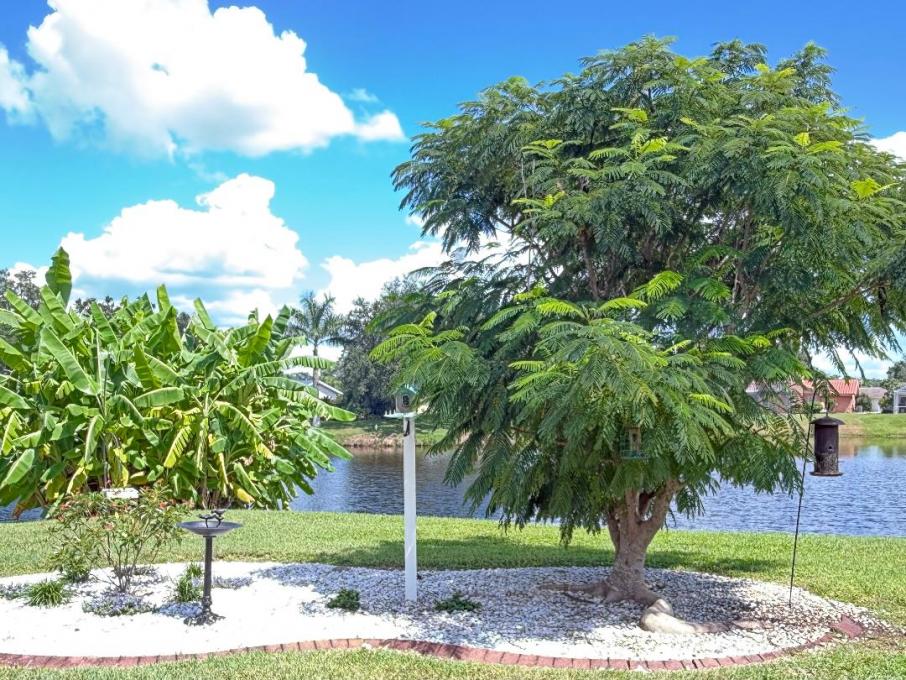
The area has some trees available for the native birds which include Manday Parrots, Woodpeckers, Blue Jays, and other songbirds. Ducks from the lake, herons, sandhill cranes, ibis, and other waterfowl feed on the ground as well. I will be replacing the flat, white feeder on the left with one that is covered. The bushes to the left of the bird feeder are fairly new, but they are not filling out as I would like, so I may have to replace them. The birdfeeders that I have are active in season - October to May. I have ordered a suet feeder. I was putting too much water in the bird bath - this has been adjusted. Also - looking for something to move the water.

-
I have a pretty good start on my small surburban lot and would love to plant a couple of large trees but there is just not enough space. My goal tho is to fill every nook and cranny with flowers, bushes, and small trees to complement and add to what is existing.
-
I am fortunate enough to live in a rural area. There are a few nearby ponds scattered about and we are surrounded by a mixture of Woodland, Glade, and Open habitats.
Also added over the years some enhancements. Trees, shrubs, feeders, flowers and nestboxes.
For several years I had a tiny pond and water fall. Unfortunately the walls if the pond cracked was ruined. This truly opened my eyes to how much of a difference having a simple water source can make. The loss of the pond dropped the average daily bird count frim 30+ species to low or mid twenties during the current hot season this year.
Three other eater sources exist including a birdbath, a rainbucket, and a livestock water contaner. Yes, the bird use them, but not to the extent of the pond with the water fall. I believe the key here is moving water made the difference.
Planning to implement another more durable pond and falls this Autumn. -
This is what I already have in my yard:
Sunflowers, cone flowers, grasses, oak
Raspberry, beauty berry, mahonia, quince
Bee balm, Cardinal lobelia, jewel weed, turtlehead, false indigo
Leaf litter, brush pile, butterfly bush, old growth trees, shrubs
Three birdbaths
- Margaret in Silver Spring, Maryland -
Plantas nativas, biodiversidad son aspectos claves que ayudan a mantener la diversidad de especies de aves. El patio de nuestras casas es el primer lugar donde se empieza el cuidado de las aves, cada uno de los componentes como lo son el alimento, agua, refugio, lugares para anidar permiten que estás especies se mantengan, y que nosotros podamos aportar y ayudar a su cuidado y permanencia.
-
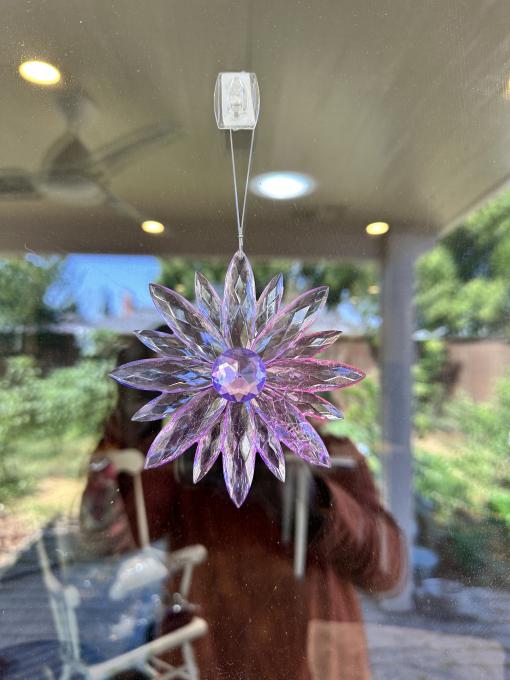
native plants, biodiversity, vertical diversity, instead of patterns on the window, I hand a multi-shaded purple plastic flower on the outside of the sliding glass door. Has prevented, so far, birds ready to collide with the sliding glass door - seeking our sun tunnel. Picture attached.
-
both of our crabapples, the golden and red are good bird trees
-
My yard is very bare, but I've begun adding some small berry bushes and native perennials that will provide fruit, nectar and flowers, and hopefully some insects. Earthworms are abundant. I don't have much in the way of seeds or nuts. I have a Scrub Oak in the ground, but it will be some years before it grows any acords. I also have an oak tree on order, but again I doubt it will produce acorns any time soon.
I'm going to be adding three sections of wildflower meadow in my backyard; I'll ensure that some of the flowers that go in carry a lot of seeds. Purple Coneflower is one I was already planning on.
Water might be a challenge. One side of my house gets soggy when it rains, so next year I'm planning on turning it into a raingarden. That's all I have room for though. Due to the septic field I can't fit a pond. I have some old pot lids I've been thinking of turning into birdbaths, and a stump I can cut a shallow bowl in, but that's about it. That said, I live near several ponds and a small wood with an extensive stream system, so birds have plenty of water available nearby. -
I almost forgot about my native plants like trumpet creeper and Rhododendron Maximum that are still around. The redbud tree having initially flourished is struggling. The serviceberry(juneberry) which I thought was not going to make is fine. My American Beech tree is ok but has not grown much. The Tulip-Poplar went nuts. There is a volunteer mulberry near it that I think sometimes has shy customers. The vibrunams(Arrowood), spicebushs, and dogwoods are doing well but the Pussywillows(Salix discolor) have met their maker. The Eastern Hemlock and Juniperus virginiana(Eastern Red Cedar) are doing fine. At this point what survives can fill in the spaces of what doesn't. I need to get some flowers/groundcover in the spring.
-
Where is "Coral Honeysuckle"(Lonicera sempervirens) native to? Where can you get native plants. I have "Bee Balm" though it's fading so I need to get some more in the spring. It has attracted Ruby-throated Hummingbirds in the past. I have spicebushes, arrowwood viburnams, a Redbud tree, a Beech tree, a Hackberry tree, a large Red Maple tree, a Juneberry, Red Osier(I think) dogwood bushes, Norway Spruces(not native but they do well), an Eastern Red Cedar, a hemlock, a crabapple, a Rhododendron maximum, and the list goes on. I can only cram so much into .19 acre. Sometimes I get a few warblers in migration. Getting native plants is difficult here in Central Ohio.
-
We have a dry creek that temporarily holds water during rainy months and the winter. We also offer supplemental water sources which are enjoyed by birds for bathing and drinking. We utilitze mulch which encourages slugs, snail and earthworm activity. Our yard is a small suburban area with native grasses that we leave standing during the winter months for seeds and shelter. Shrubs offer fruits but often the fruits are consumed well before the winter months. While it's tempting to remove spider webs, we leave these for the hummingbirds and other birds during the growing season. We feed nuts during the winter months and have an oak tree in our front yard that provides acorns. We have multiple trees and shrubs that offer nesting and shelter.
-
I was surprised by how much is out in my backyard/neighbors yard for birds. I rarely see the bird unless I have a feeder up, so I assumed they don't have what they need to stay around unless I am feeding them, but as i'm looking around I have multiple carolina jessamine bushes that they go in and out of along with trees lining the fence. I definitely don't have enough plants that feed them. I have blackberry bushes, peach tree and a passionfruit vine (that never seems to fruit) I really need to figure out a water source for them.
-
I'm mostly happy with what we've been doing to support birdlife on our small 1/4 acre lot in Tidewater Virginia in the 20 years we've lived here - although we only recently became aware of the desirability of using native plants. As a result, we realize the Russian Olives and ligustrum along with a mimosa tree that is probably approaching the end of its life on one corner of the lot are problematic. They've provided effective screening & perhaps stabilization along a saltwater creek as well as some benefits for birds but we should find more hospitable native plants. I'd love to hear suggestions!
-
I do have a good start with naturescaping, but I have a lot more I can and plan to do. I have old growth hardwood, pine, and cedar, and several shrubs so i have great food sources and nesting sites with those. I also have a few snags. I realized how many blooming plants I have that provide seed in the winter... and that I need many more. I provide more fruit than I realized. I do a lot to provide for the insect and invertebrate population-provide shelter in the form of brush, wood, and compost piles.
-
Our yard does contain many of the listed resources for birds, but I think we could do better. I liked the suggestions in the course about finding native sunflowers and spirea. I always want to add more berries. We have water features in summer. I am trying to understand if year round would be helpful or not. We get pretty constant winter rains and only occasional freezes, so maybe here is it more important in hot dry summers?
-
I have 2 shallow trays/pot bases on my deck that I use as bird baths. They are different sizes and depths and the birds love them. I've added rocks to them to provide multiple perching spots. In the summer, I have to clean them almost daily and sometimes have to refill them multiple times a day. I've also seen squirrels and chipmunks use them. We've slowly increased the amount and variety of native plants and tress around our house and in the field behind us. Until we have more native plants, I have multiple bird feeders and try to vary the food in them.
-
My garden basically consisted of an centenary-lived oak tree, plants with abundant foliage and colorful flowering plants that produce a sweet nectar for my Hummingbird Project.
I would like to add a water fountain based on the Tips for Safe Birdbaths recommended in this course.
Remembering that WATER is a MAGNET for birds. -
We have a small wooded area beyond our yard and several fruit trees. In my garden area I have a variety of perennials and a few annuals but I would like to offer more trumpet shaped native plants for hummingbirds and nectar loving birds. I would also like to provide more nuts and seeds in addition to feeder food. We have plenty of insects. LOL
I got a new bird bath for Mother’s day but in this lesson I learned that I have it too full and in a sunny location. I would like to add a source of water closer to the ground but I hesitate to do that since our neighbor has cats. Any thoughts on that????
We have several bird boxes but I am going to make the holes smaller as this year we are attracting Starlings. For now we have been removing the nests every few days but it would be nice if they chose another location altogether to give the bluebirds a chance.-
Birds use puddles and ditches all the time, but if you're worried about the neighbor cat getting them maybe put a water source near a tree, shrub, swing, trellis or something else they can get to quickly if they sense danger. I have birdbaths that aren't much more than a foot high and one that is close to three feet high, and they all get used. Squirrels like the lower ones. If you put a couple of stones in your birdbath and don't fill it all the way, birds should use it. I don't think it matters if it's in the sun. Birds won't use it if it's too hot, but they might use it in the morning or in cooler weather.
-
-
Definitely need to add shallow water to our place! Also Oak Trees. I have mostly native tree species on the property - Jack pine, White Spruce, Trembling Aspens and Balsam Poplar, etc, - but nothing like oak trees for acorns and insects. Our plum trees also stopped producing fruit a long time ago, so maybe changing them out for another species like Chokecherries would be better. Or Saskatoon berry trees as the one in our pasture is raided a lot by birds when the berries are ripe. But a big one is shallow water! Maybe that's why I don't see many birds in the summer. They travel to the neighbours for a drink!
Read More: