In Defense of Turkey Vultures
Nature’s janitor has a bald head, a six-foot wingspan, and a taste for the macabre.
By Nia Mitchell | November 21, 2025
In the court of public opinion, optics are everything, so the Turkey Vulture has never exactly screamed “wildlife darling.” While eagles soar across flags and postage stamps, hummingbirds glimmer on the covers of field guides, and penguins march through documentaries, vultures wobble overhead, condemned as symbols of doom and corporate greed. Their bald, red heads and preference for roadkill may look menacing, but these very traits make Turkey Vultures essential members of nature’s cleanup crew: removing carcasses, reducing disease risk, and recycling nutrients.
The vulture’s reputation has suffered more from misunderstanding than from any fault of its own. The problem isn’t vultures themselves, but our perception of them. In the spirit of fairness, and an invitation to see them anew, here’s a reintroduction to Cathartes aura—the “purifier.”
Cathartes aura, the Purifier
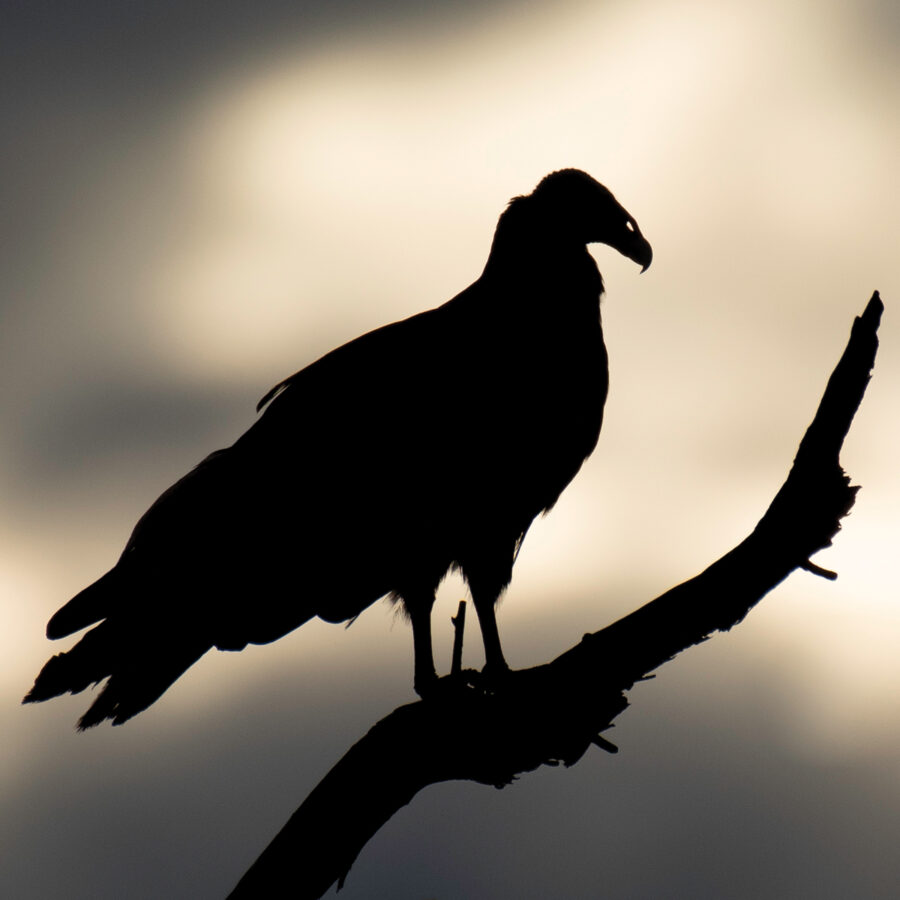
The word vulture likely comes from the Latin vellere, meaning “to pluck or tear”—a fitting, if slightly gory, reference to its feeding habits. However, it’s not exactly a name that inspires affection. So we turn to its scientific name, Cathartes aura, a name that tells a fuller story. Cathartes derives from the Greek kathartēs, meaning “purifier” or “cleanser,” and aura from Aouruá, an Indigenous Mexican name for the Turkey Vulture. So, while the word ‘vulture’ may bring to mind shadowy opportunists, Cathartes aura sounds almost like a luxury fragrance—one associated with cleansing and restoration, much like the Turkey Vulture, which spends its days searching for carrion, thereby preventing the spread of disease and the buildup of carcasses.
The Silhouette in the Sky
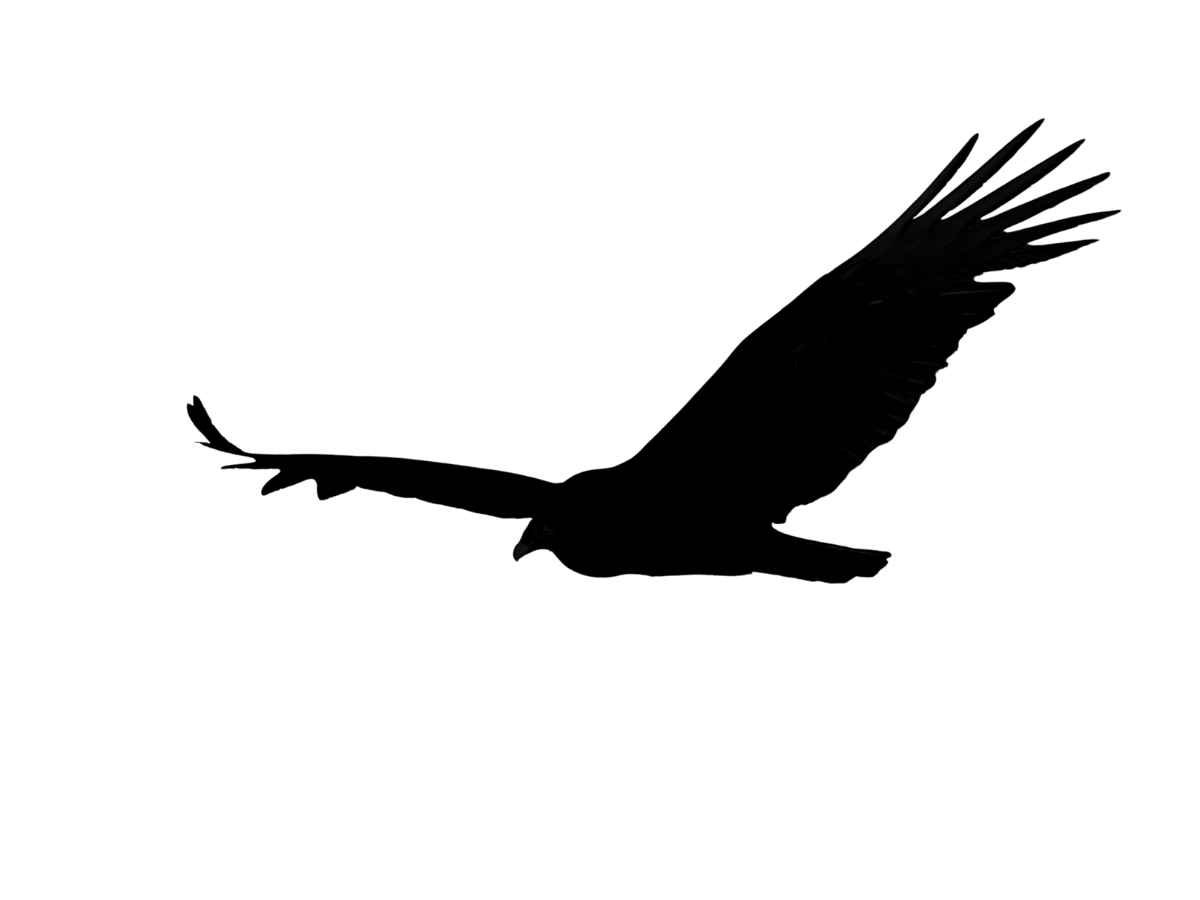
Found from Canada to the southern tip of South America, the Turkey Vulture is that dark silhouette you see circling overhead. At first glance, a soaring Turkey Vulture may resemble a hawk, but distinct adaptations set them apart.
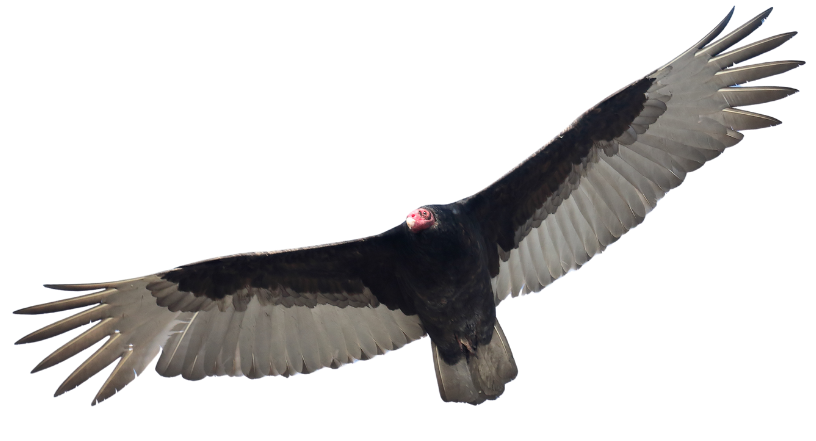
Seen head-on, Turkey Vultures hold their wings in a slight dihedral—an upward “V” shape that helps them balance with little effort on rising thermals. Turkey Vultures appear black from a distance, but up close they’re dark brown with a featherless red head and pale bill. Their bodies and forewings are mostly dark, while the undersides of the flight feathers—along the trailing edge and wingtips—are paler, creating a two-toned underwing pattern that is distinct from most hawks.
Buzzard vs. Vulture: What’s the Difference?
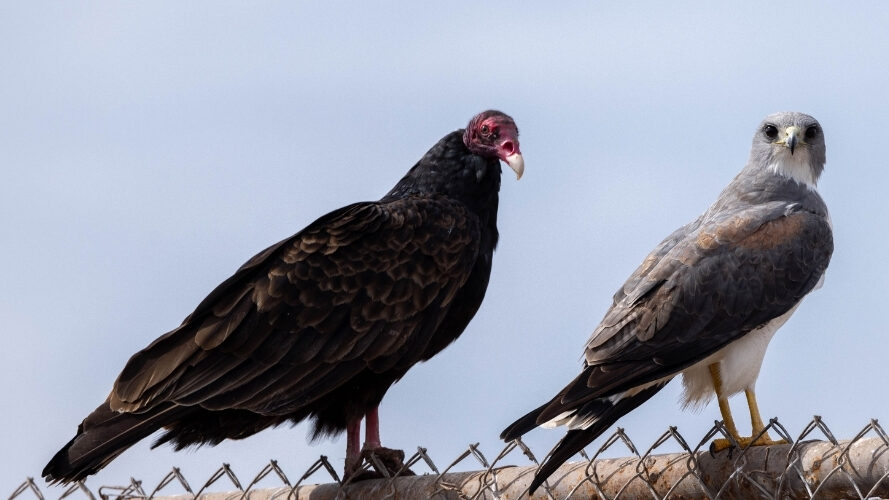
Across the U.S., “buzzard” is a common colloquial nickname for the Turkey Vulture. In Europe, however, buzzard refers specifically to certain hawks. One example is the Rough-legged Buzzard, a species we know in North America as the Rough-legged Hawk. Early European settlers, seeing vultures soaring overhead, borrowed the familiar name from home. While it’s a regional variation, it’s worth clarifying the distinction: hawks are predators, whereas Turkey Vultures are scavengers, each serving different and essential ecological roles.
The Tools of the Clean-Up Crew: Head, Stomach, Wings, and Nose
Forget ‘Head, Shoulders, Knees, and Toes’: the case for this bird rests on head, stomach, wings, and nose. Together, they explain why the vulture is the most efficient member of nature’s clean-up crew.
Head
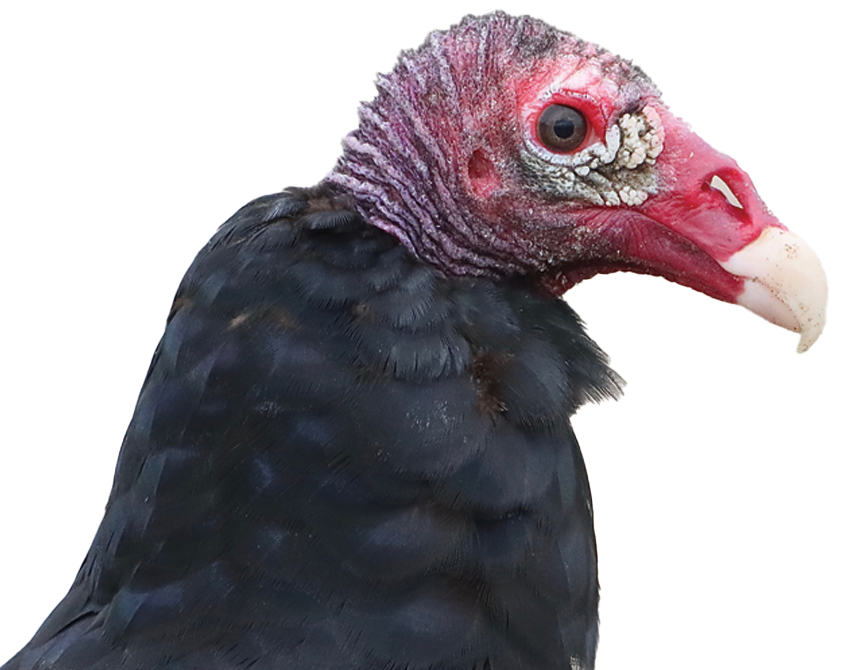
Why the bald head? Because feeding on carrion is a messy business that brings the risk of contamination and infection. The Turkey Vulture’s anatomy meets that challenge head-on, literally! Its bald, red face is practical: feathers would trap blood and tissue, while bare skin stays cleaner, especially with help from the sun and breeze.
Stomach
Consider the microbes found in carrion, such as the bacteria responsible for anthrax, cholera, and botulism. These pathogens can spread rapidly and have a ripple effect on ecosystems, affecting wildlife, livestock, and humans alike. The Turkey Vulture’s stomach acid is so corrosive it can dissolve bone and neutralize these pathogens. Diseases or toxins that might otherwise spread through a herd or a town are contained and dismantled inside a vulture. Without them, carcasses would accumulate, and disease outbreaks would be far more common.
Wings
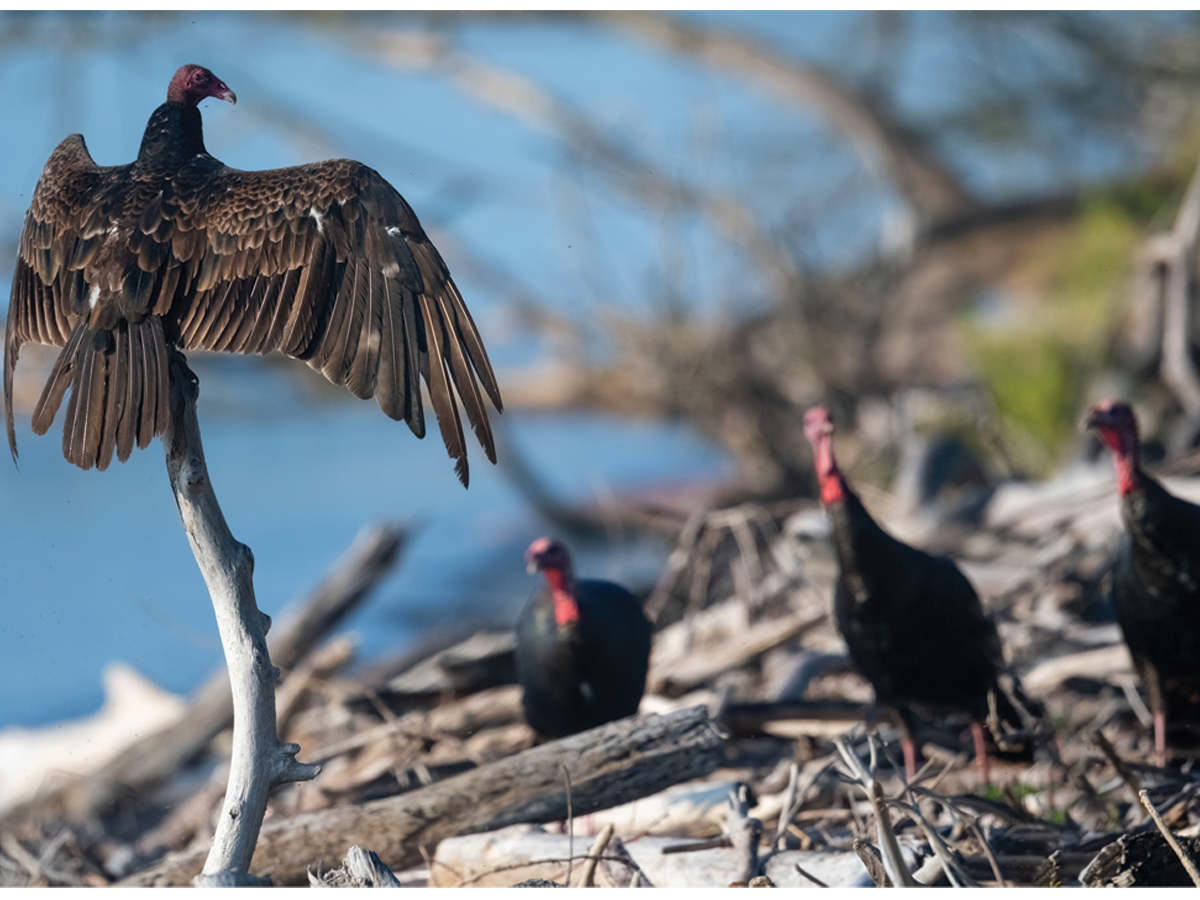
The Turkey Vulture spans 1.5 to 2 meters across, yet its body is remarkably light, allowing it to glide on rising air with little effort. It teeters easily across the sky, rarely needing more than a few wing beats to stay aloft as it searches for carrion. When perched, it often spreads its wings in the sun—a posture believed to dry feathers, release heat, and sterilize plumage.
nose
A carcass doesn’t have to be visible for a Turkey Vulture to find it. Turkey Vultures depend heavily on scent as well as sight. Their olfactory bulbs are four times larger than those of the Black Vulture, and are tuned to detect ethyl mercaptan—the distinct gas of decay—the same chemical humans add to natural gas for leak detection. This super-sense makes Turkey Vultures unrivaled at locating carcasses, even those concealed beneath dense forest canopy. Sight-reliant scavengers like Black Vultures often trail behind them, following their lead to a meal.
Fact or Fiction: Debunking Turkey Vulture Myths

Myth: Turkey Vultures mean death is coming.
Fact: Because they often gather where animals have already died, Turkey Vultures have long been seen as omens of death. But their presence doesn’t foretell what’s to come—it simply reveals what’s already there. These birds use both sight and smell to detect carrion, with a particularly well-developed sense of smell for a bird.
Myth: Turkey Vultures are harmful to the environment and spread disease.
Fact: The opposite is true. By consuming carcasses quickly, Turkey Vultures recycle nutrients, remove roadkill, and destroy pathogens in the process. Their digestive system is so acidic that most microbes do not survive, including anthrax, tuberculosis, and rabies, making them nature’s frontline in disease prevention.
Myth: Turkey Vultures only eat rotting carcasses.
Fact: Turkey Vultures actually prefer fresh carrion when it is available. Their diet is highly adaptable, including mammals, birds, reptiles, fish, or whatever the landscape provides, allowing them to thrive in nearly every habitat. When fresher options aren’t available, their extremely acidic stomachs allow them to safely consume even decayed carcasses that would be dangerous to most other animals.
Myth: Turkey Vultures are predators that often attack healthy animals.
Fact: Turkey Vultures are first and foremost scavengers, and they actually tend to be quite wary of both live and dead prey.
What’s On the Menu?
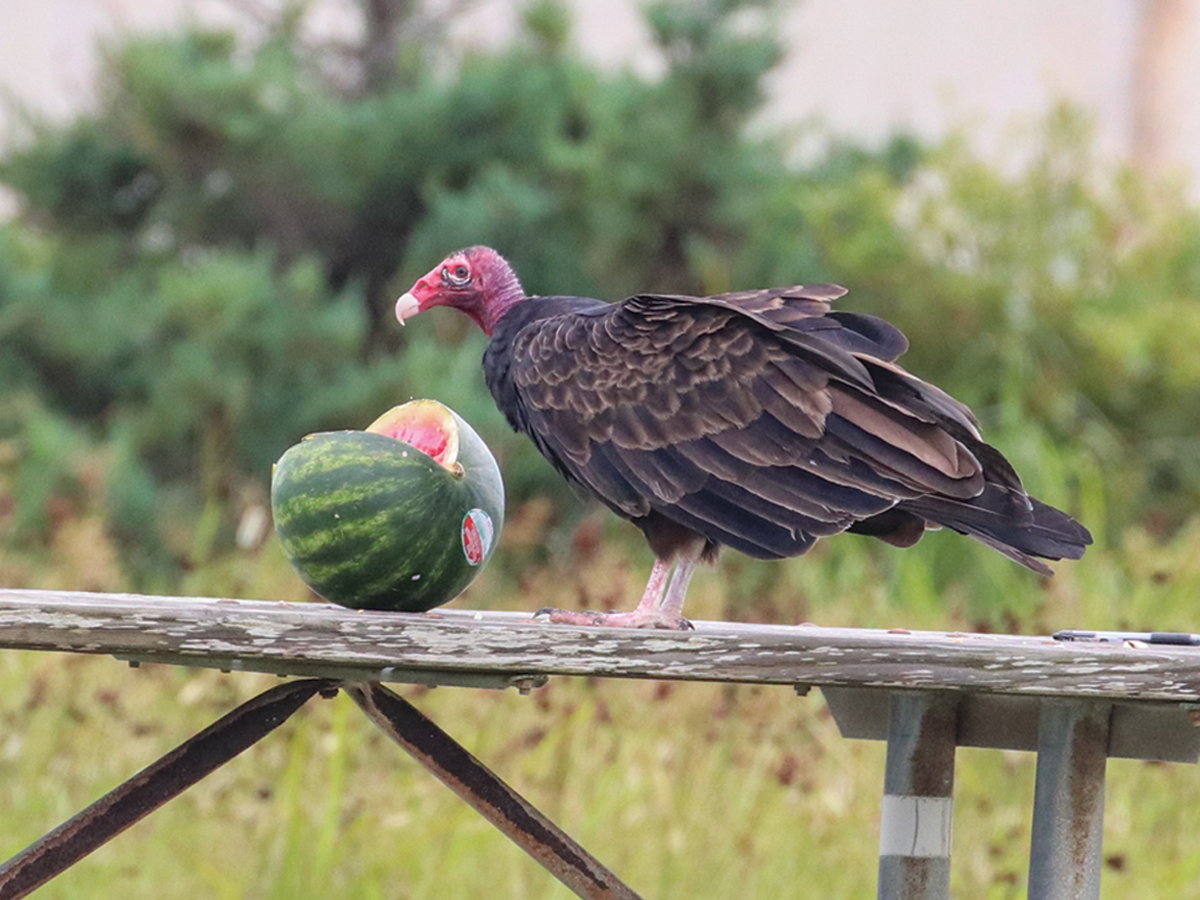
The Turkey Vulture is the ultimate opportunist. Its incredibly adaptable diet is the key to its success across the Americas, allowing it to thrive in nearly every habitat, from dense forests to open farmland.
Their menu is as varied as the landscape itself, including:
- Mammals of all sizes, from mice to large ungulates like deer
- Reptiles and fish
- Insects like grasshoppers and beetles
- Even some plant material, like rotten pumpkins or watermelons, when carrion is scarce
Gallery: A Glimpse into the Vulture’s World
Turkey Vultures are valuable and fascinating members of the bird world, and we’d be far worse off without them. They’re graceful gliders, devoted parents, and expert cleaners of the natural world, doing essential work necessary for the health of our ecosystem. They may not fit our usual definition of “charming,” but look a little closer and you’ll find beauty in their purpose, and even warmth in their world.
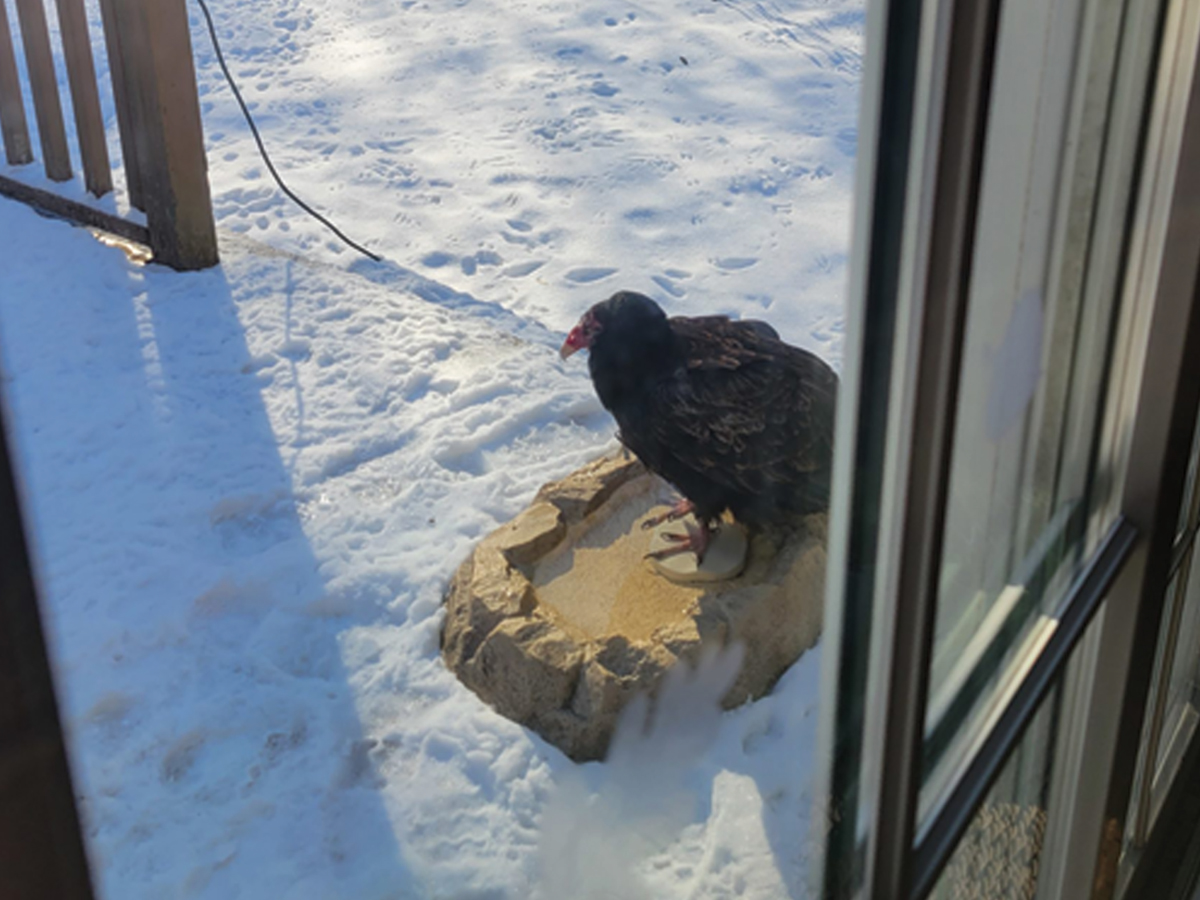
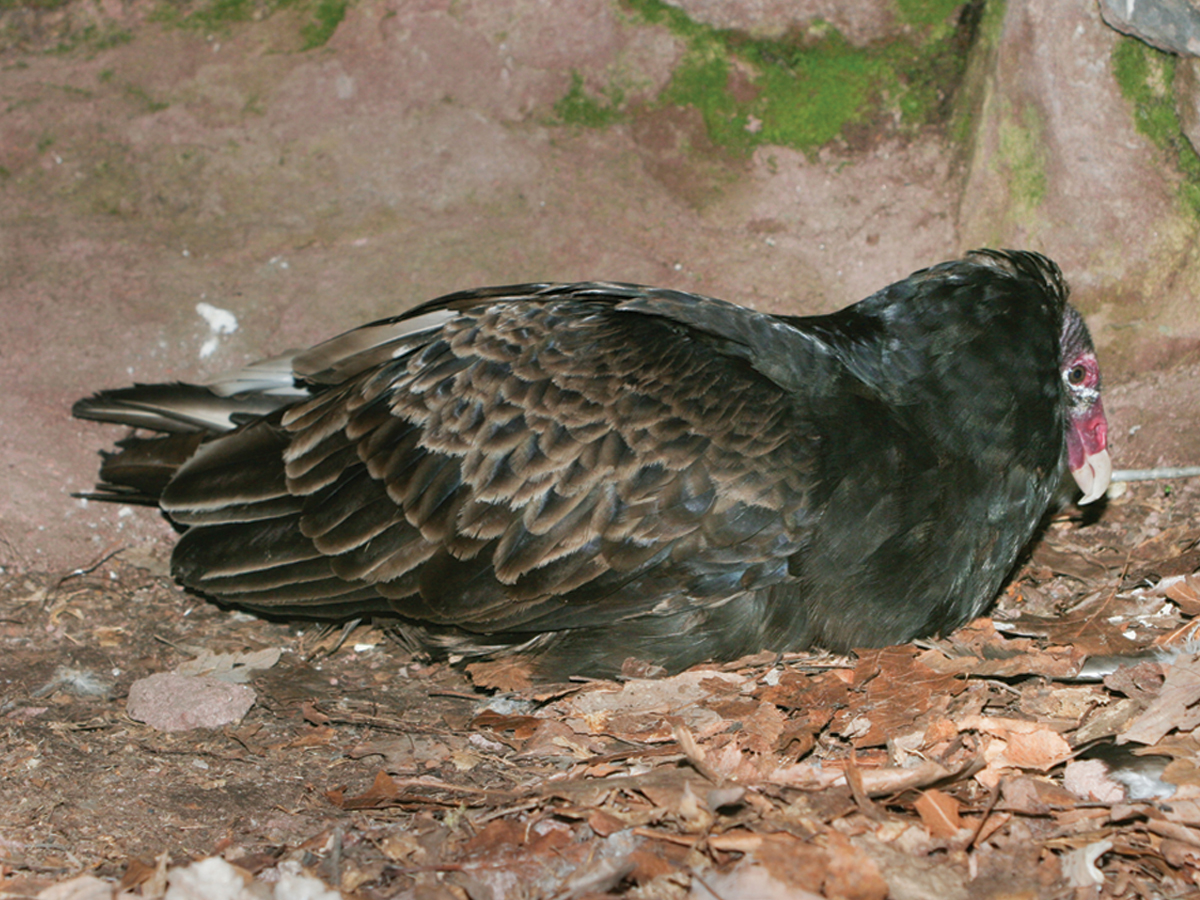
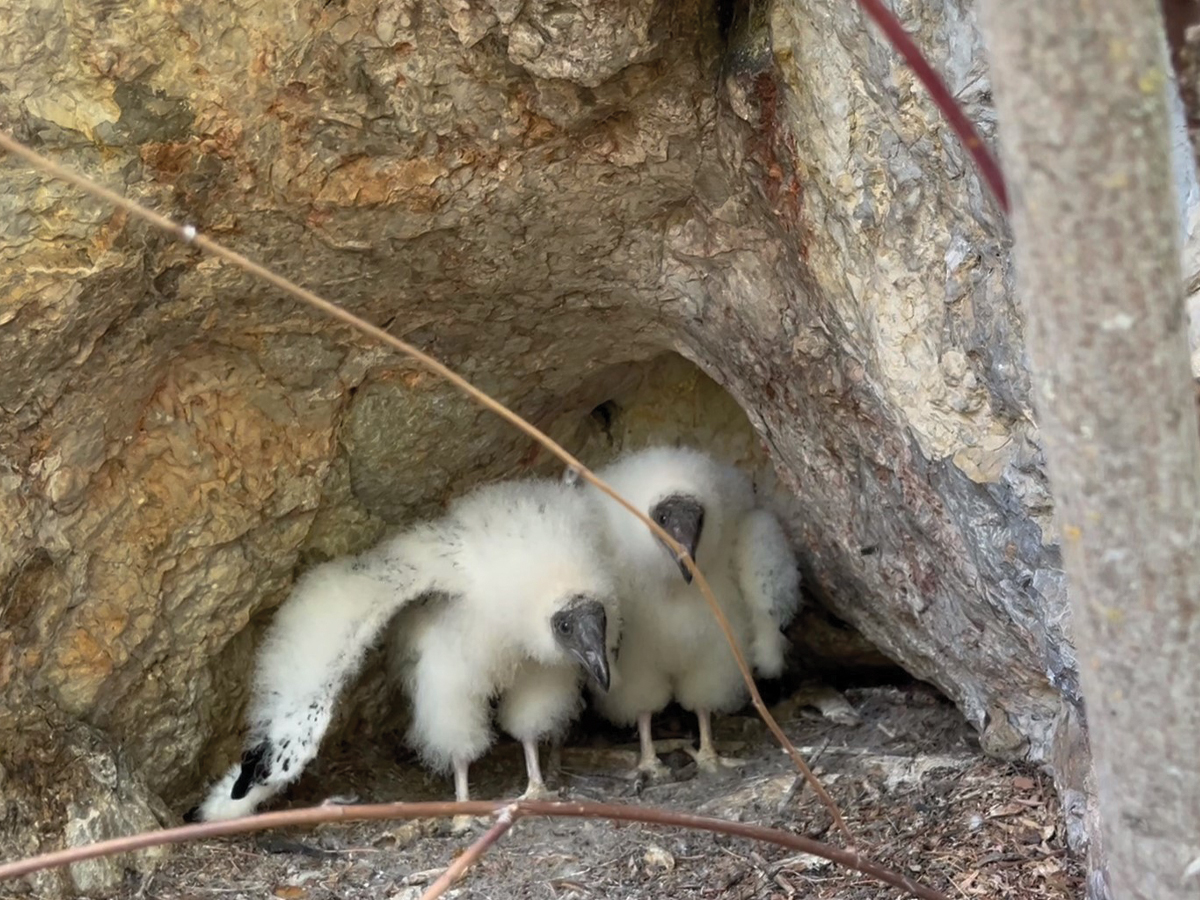
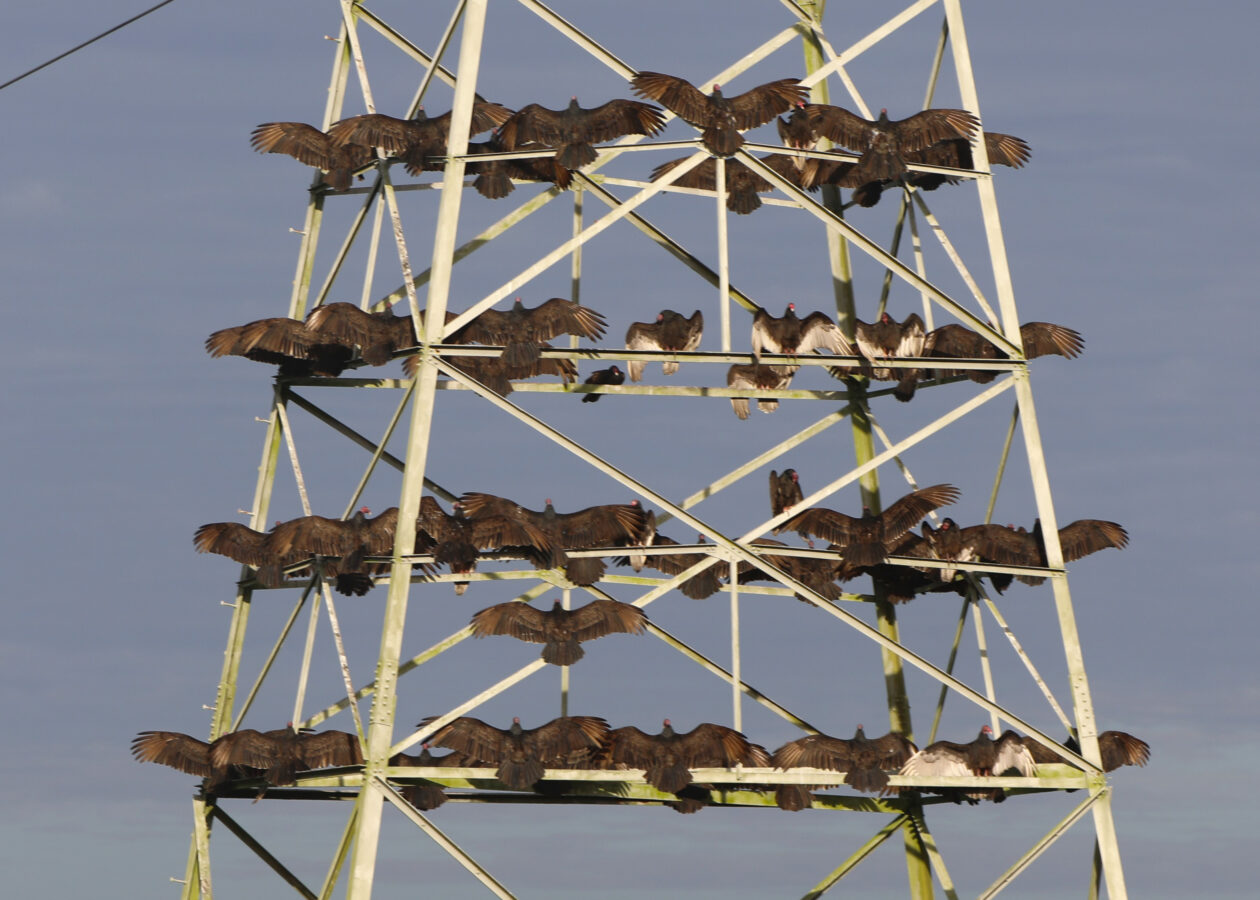
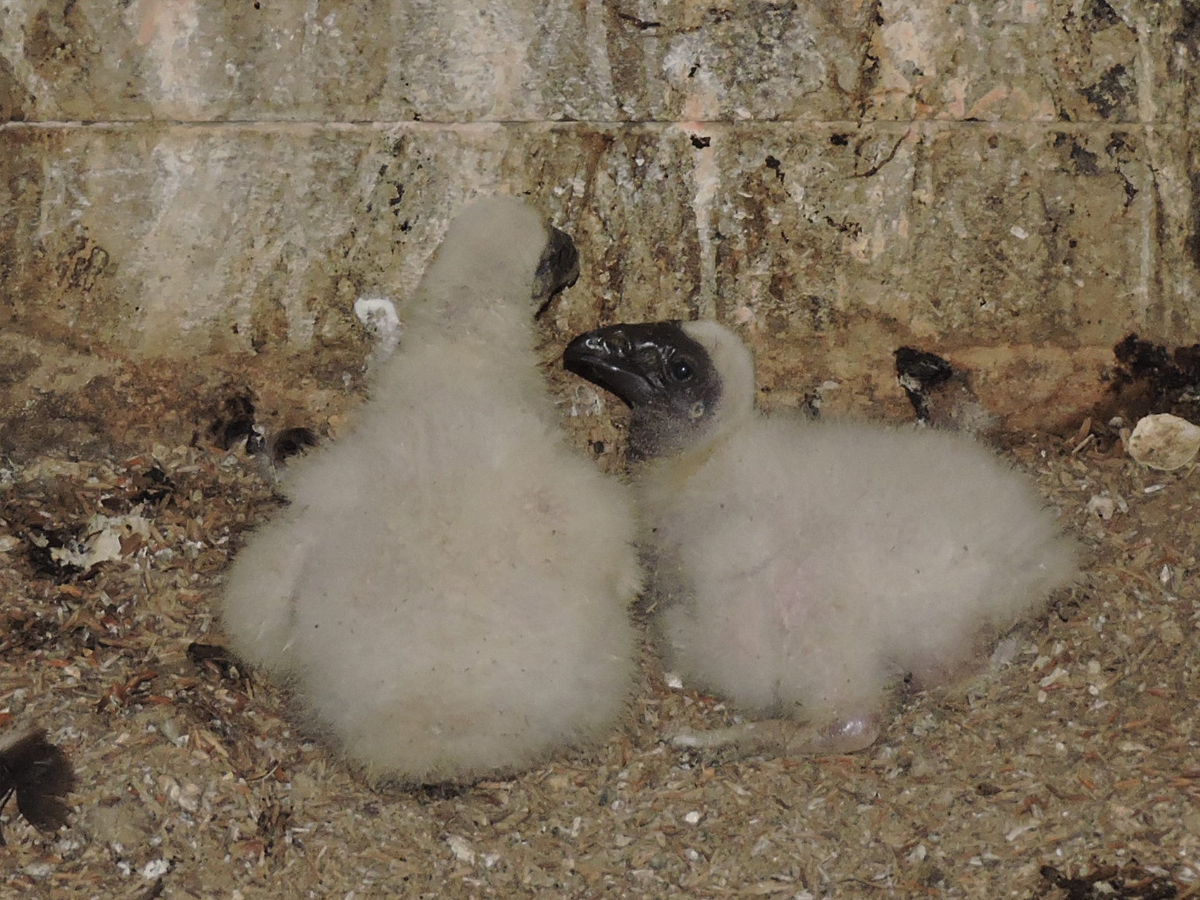
Still not convinced? Let the Turkey Vultures speak for themselves. Scroll through this visual evidence: wings outstretched, chicks huddled close, pairs perched side by side, and see the bird beyond the myth!
References
1Hugh-Jones, M., and J. Blackburn (2009). The ecology of Bacillus anthracis. Molecular Aspects of Medicine 30: 356–367.
Acknowledgements:
Author: Nia Mitchell
Content Experts: Kevin McGowan, Samantha Hauser
Editors: Jill Leichter, Samantha Hauser, Kevin McGowan
Web Designer: Jeff Szuc