How Nest Designs Protect Eggs and Baby Birds
Here’s a cool bird fact: bird nests are not permanent year-round homes, they’re structures that temporarily hold vulnerable eggs and baby birds until they can survive and thrive on their own. Some bird nests are dead simple—just a carefully chosen spot on the ground. Others are architectural wonders, more like complex nurseries hosting whole colonies as they raise their young.
An Overview of Bird Nest Types
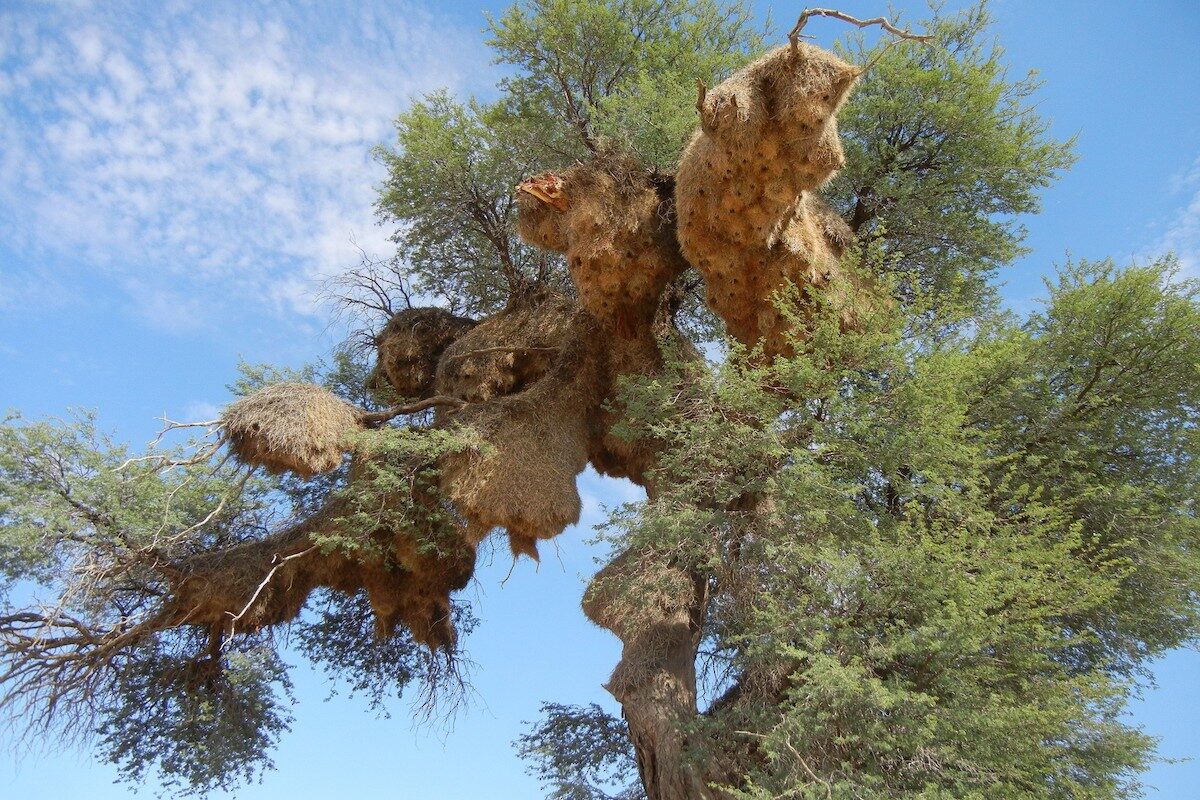
So why all the variation? The key lies in understanding how each basic nest blueprint serves the survival needs of the species that build them. Ornithologists have defined ten nest types based on how bird species have adapted to their local predators and environmental challenges.

Looking for more nest type specifics? Explore these nest types and examples of the birds that make them with a free Nest Blueprint poster you can download and print at home.
A Tour of Nest Types
Let’s explore the basic nest types—from simple to more complex and most to least exposed—and uncover the ways they help baby birds become fully fledged adults. Next time you find a nest, this will help you think about what pressures the birds are under and how various nest designs help protect their precious contents.
SCRAPE

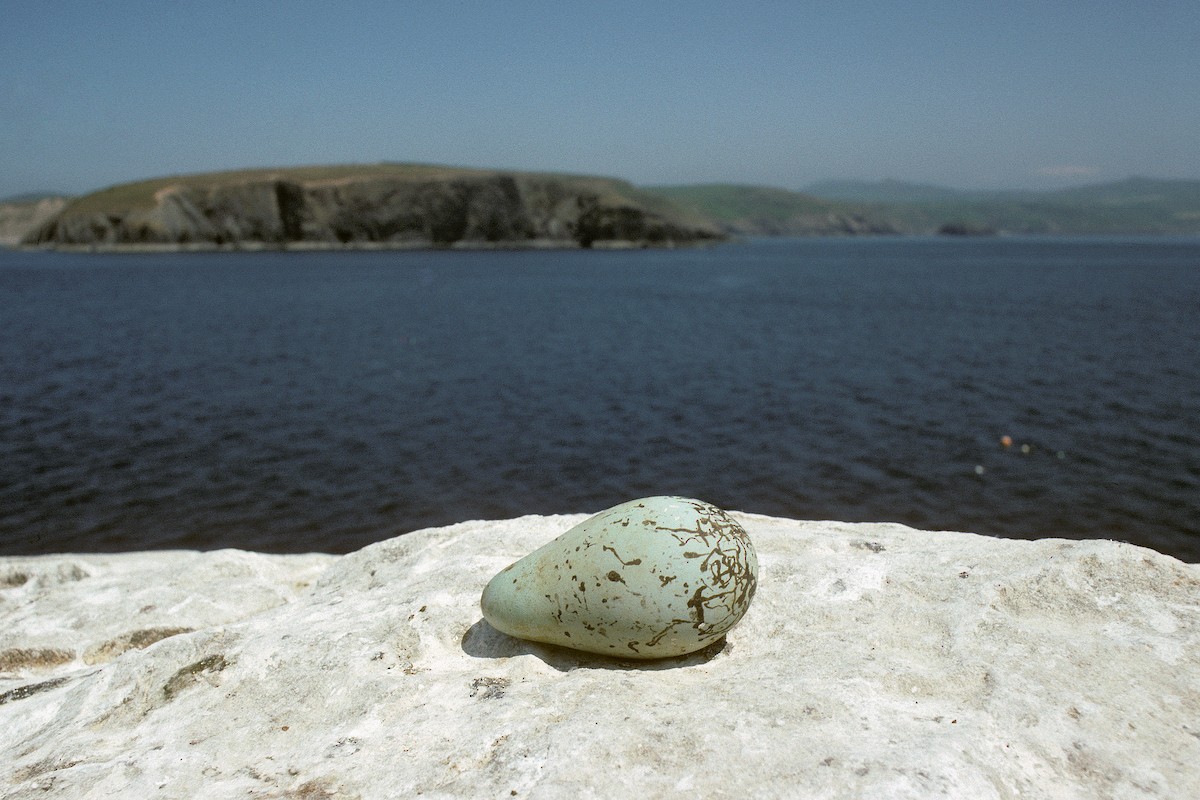
A shallow depression in the ground
A scrape is the simplest nest form and requires the least architectural investment from bird parents. It may not look like a nest at all—often just a slight depression in the ground where a bird lays eggs. The bird will incubate the eggs at the scrape but take off from time to time to gather food or chase predators, leaving the eggs exposed. Scrapes don’t offer much protection from predators, so birds with this nesting strategy often have eggs camouflaged to match the surrounding ground cover. Examples of birds that nest in scrapes are the Killdeer, Piping Plover, and American Woodcock.
PLATFORM

A shallow depression on a mound of nest material
Platform nests take the scrape and make it a bit cozier by building up nesting material into a mound with a depression on top for the eggs. This structure can help keep the chicks from falling out and provide additional protection from the elements. Some platform nests are on the ground while others are on buildings or human-made nest platforms. They don’t offer much protection from predators, except when they are built high off the ground. Examples of birds that nest on platforms are the Red-tailed Hawk, Osprey, and Mourning Dove.
CUP

A classic cup shape, accessed from above
Many people think of cups as the quintessential nest shape—the classic nest perched atop a tree branch or in the crook of a tree. The cup shape provides a comfortable fit for a parent when they’re incubating eggs and keeping chicks warm, but this comfort sometimes comes at a cost. The relatively wide opening invites access by a variety of predators, including small mammals and snakes, so parents have to be vigilant as they protect cup nests. Examples of birds that build cup nests are the American Robin, Northern Yellow Warbler, and Ruby-throated Hummingbird.
DOMED

A cup nest with an overhead covering
Domed nests are essentially cup nests with a roof. They tend to be used by species that nest on the ground and need extra camouflage to protect the eggs from terrestrial predators. Ground nesting has advantages—for example, it avoids the sometimes stiff competition in trees and bushes for nesting sites—but without the roof that a dome provides, a cup nest can leave the eggs and chicks too exposed. Examples of birds that use domed nests are the Ovenbird, Wood Lark, and Superb Fairywren.
PENSILE

A cup nest suspended from the top rim
Pensile nests tend to be a bit deeper than cup nests and are often constructed farther out toward the tips of branches. This hammock-like shape hangs from thinner branches and can make baby birds a little less accessible to predators, such as small mammals and snakes. The downside? The deeper bowl can make the nest a bit cramped, especially when a parent is incubating. Examples of birds that build pensile nests are the Black-capped Vireo, Ruby-crowned Kinglet, and Eurasian Golden Oriole.
PENDULOUS
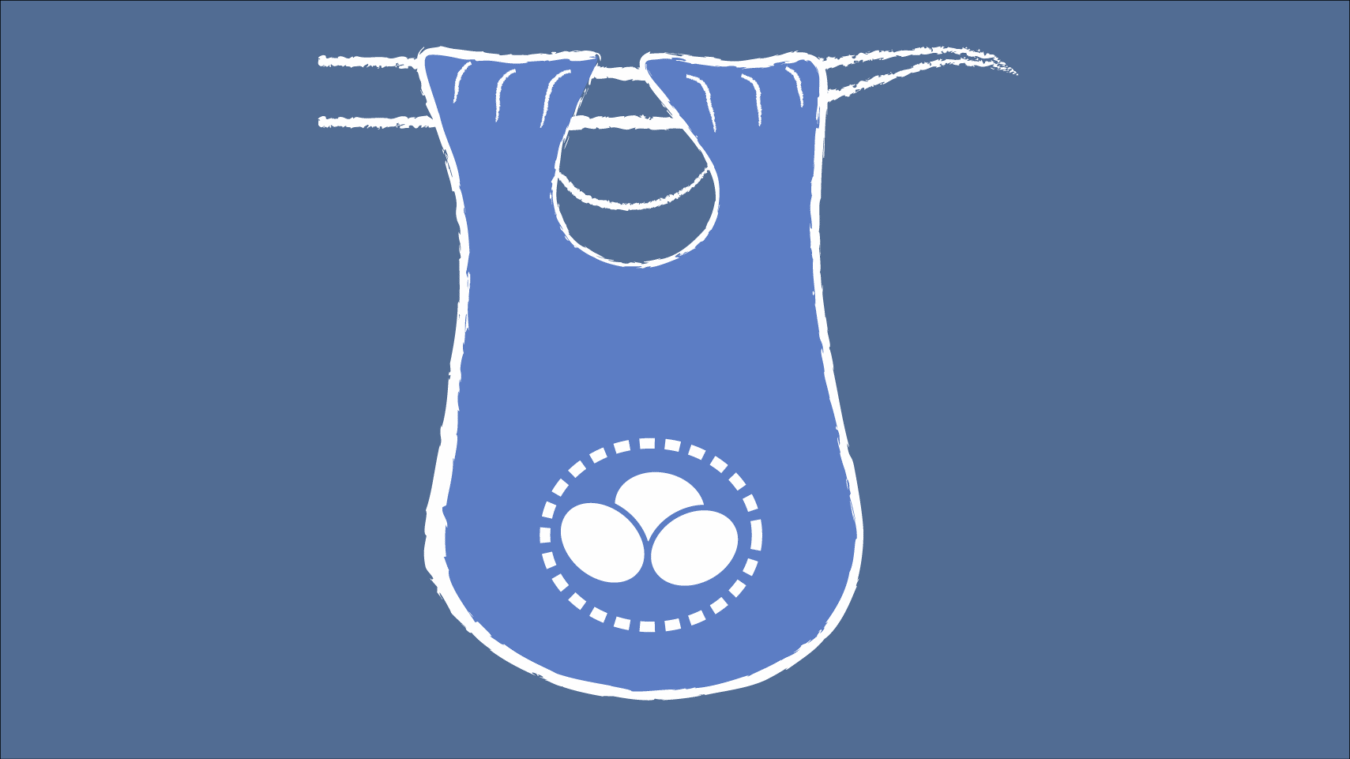
A deeper nest suspended by the rim
Pendulous nests take pensile nests a step deeper, and farther out on a limb, in what is sometimes referred to as a sock shape. This design is relatively time consuming to construct but has the benefit of further cocooning the eggs, protecting them from predators and extreme weather. Examples of birds that use pendulous nests are the Bullock’s Oriole, Bushtit, and Montezuma Oropendola.
GLOBULAR

An enclosed spherical nest with an entrance hole
Globular nests are some of the most charming nests on the landscape, enclosing the eggs in a spherical shape with a side opening. This design helps thwart predators that can’t fly; however, globular nests can be time intensive to construct with some species even employing elaborate weaving techniques. Examples of birds that use globular nests are the Firewood-gatherer, African Golden-Weaver, and Eurasian Penduline-Tit.
CAVITY
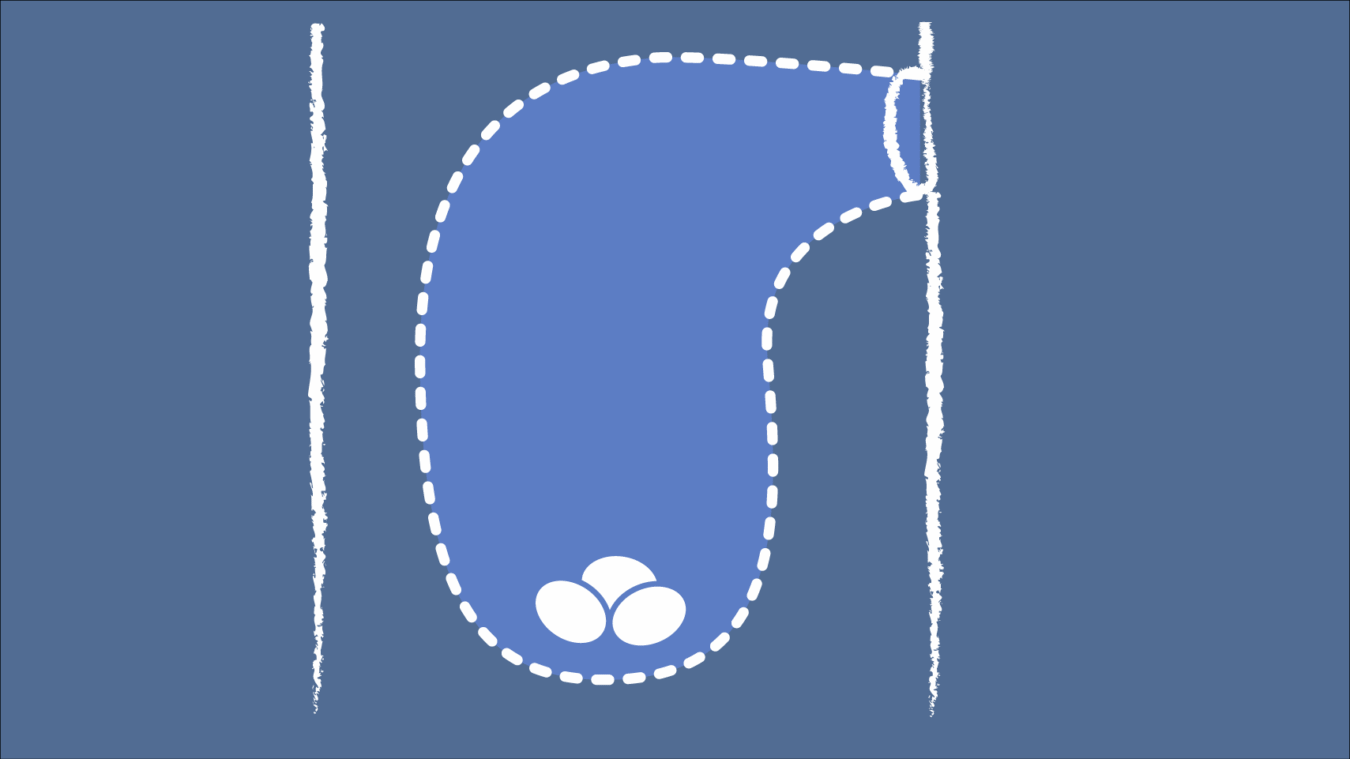
A hollow in a tree, cactus, or other structure
Some birds rely on cavities in trees or other structures to protect their eggs and growing chicks from predators and harsh weather. This can be risky because nest cavities are relatively scarce, and parents who don’t find a suitable cavity may not be able to nest at all in a given year. Some birds can excavate nest cavities once a tree is decaying, but others are entirely reliant on existing cavities. Examples of birds that nest in cavities are the Pileated Woodpecker, Eastern Screech Owl, and Great Hornbill.
BURROW
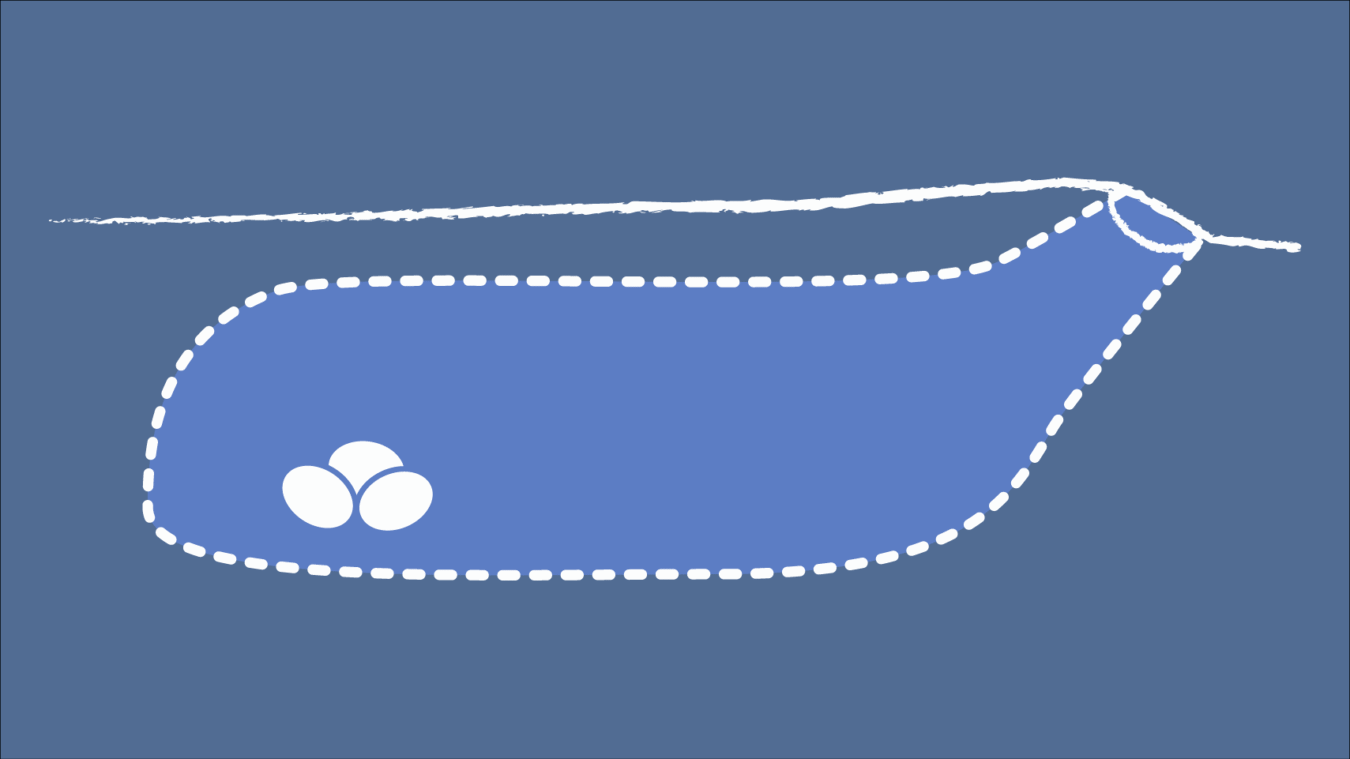
An underground or excavated nest
Burrows are often thought of as places where small mammals dwell, but birds make them too! Some species excavate their own while others take over burrows left behind by small mammals. Because burrows can be so hidden and the entrance is typically small, they are relatively well protected from nest predators and the elements. Burrows have their own drawbacks, though: they can collapse, and in some places they’re vulnerable to flooding. Examples of birds that nest in burrows are the Atlantic Puffin, Burrowing Owl, and Belted Kingfisher.
MOUND

A pile of nesting material with a central egg chamber
Mounds are a relatively rare nest design used by larger, primarily ground-dwelling birds. The inner chamber is warm thanks to heat generated from decomposing organic matter. This leaves parents free from actively incubating the eggs, though some species tend the mound to maintain a steady temperature. Mounds have some anti-predator advantages because the eggs are entirely concealed, but they can still be vulnerable to ground predators with keen senses of smell. Examples of birds that use mound nests are the Australasian Brushturkey, Orange-footed Megapode, and Malleefowl.
A Bower is Not a Nest (But Looks Like One!)
Bowers are structures that are sometimes confused with nests. Let’s take a peek at one.
Why is this Vogelkop Bowerbird bringing flowers to a structure that looks like a domed ground nest? He’s decorating the “lawn” of a twig “hut” that he’s built with carefully chosen ornaments. This impressive structure is not a nest and will never contain eggs. It’s a bower—constructed and maintained for the sole purpose of impressing females. Local females regularly visit neighborhood bowers to compare design choices, then base their mating decisions on which displays make the best overall impression.