The Cornell Lab Bird Academy › Discussion Groups › Joy of Birdwatching › Activities: Bird ID Practice
-
For activity one I can compare sparrows (there are all different types by me) with a blue jay. They differ in shape, size and color. The second activity seems a bit harder. Selecting black/grey, I can say there are blue jays that have some black on their wing feathers, mocking birds that are overall more black grey, and red wing black birds that are generally black with a reddish orange and yellow on the upper wing. Three birds that search for food differently... Robins hoping on the grass, a woodpecker pecking a tree and sparrows at a feeder and in trees.
-
Activity 1: Red-breasted Nuthatch: small with no neck, head forward and pointed beak, short legs and shortish tail. Lesser Goldfinch: Small, with delicate, upright head, short & stubby beak, med long legs, small body with med length tail.
Activity 2: All 3 of these birds are similar in appearance and color. Female House Finch: muted stripes brown & white chest, and plain grey brown on head and body. Golden-crowned Sparrow: solid grayish chest, distinctive black and yellow striped crown, darkish brown wings with some white & gray. White-crowned Sparrow: almost indistinguishable from the Golden-crowned Sparrow, except the crown is white and black striped.
Activity 3: California Towhee: hops within low bushes and among leaves & brush on the ground. California Scrub-Jay: picks bees outside hive, suet from feeder, seems to noisily survey many locations from perches on trees then swoops in to pick food. Anna's Hummingbird: Darts to hummingbird feeder, and flowers, then zips up in the air or away to a perch.
Activity 4: Great Egret: found near wetlands and brackish water. Often standing still in shallow water. Long, sharp yellow bill, winding long neck. Black legs and feet & large, white body. Flies with neck tucked in and feet extending straight behind body. Stands still waiting for prey and stabs it in a quick motion.
-
Activity 4: Northern Flicker:
- Sounds
- Call: ki-ki-ki-ki-ki-ki-ki-ki-ki
- Distinctive woodpecking
- Habitat:
- Woods and suburbs
- Size and Shape
- Larger than robin, smaller than crow
- Upright
- Coloring
- red nape
- black bib and whiskers
- speckled, fawn-colored breast
- dark-brown wings and back
- Sounds
-
1. Bewick's Wren and California Towhee. Similar colors--different sizes. Bewick is sparrow sized while Towhee is Robin sized.
2. Black Phoebe, Nuttal's woodpecker, and Dark-eyed Juncos all have black coloring as a major feature but each are found in different locations and are different sizes which helped in Merlin. Black Phoebe sits on my fence. Nuttal is up in the tree. Juncos look for seeds on my patio.
3. Same 3 as in #2: Phoebe catches her food in flight. Nuttal finds food in the tree bark. Junco collects seeds from the ground.
4. A favorite is Black Phoebe. Size: robin-sized. Color: black crown, back, rump, and tail but white breast. Behavior: perches on fences; catches flying insects for prey. Habitat: backyards, neighborhood with trees, tree-lined creek. Sounds: says her name--phee-bee, phee-bee, phee-bee -
Activity 3: American Robin: raking leaves—I thought it was a person by the sound of it! Eastern Bluebird: Flying to just above the ground, hovering a bit, snatching a bug and flying back to its perch. Cedar Waxwing: I thought, why are they flying away from the tree perches and then flying back? They were catching flying insects.
Activity 4: Northern Mockingbird: Main color gray with long tail. When flying, white patches on wing and outer tail stand out, outlined by black. Its head is more sinister-looking than a dove's. It has a black line from its eyes to its dark beak. It does not come in flocks and is often active and aggressive. When perched, it sings the calls of many birds—very loudly. Then it repeats the process from a new perch. A call unique to this bird is its buzzy scolding call that it directs at things that make it agitated. -
Activity 1: Brewer's Blackbird, i.d. by Merlin after seeing small-medium blackbird on telephone wire, no other markings. Absence of yellow eye indicated a female. Yellow-rumped Warbler, i.d. by field guide after seeing small black, white and yellow bird on the ground and in the trees, moving fast, thin pointed bill.
Activity 2: Three different birds with same color: Red on Downy Woodpecker, Purple Finch and House Finch. Least amount of red on woodpecker with defining head spot, liberally applied on the Purple Finch and less-so on the House Finch. Field guide determinations.
Activity 3: Three different birds finding food: Western Bluebird flying to ground for small worms, Tree Swallow catching insects on the fly, Black Oystercatcher picking shellfish off of rocks.
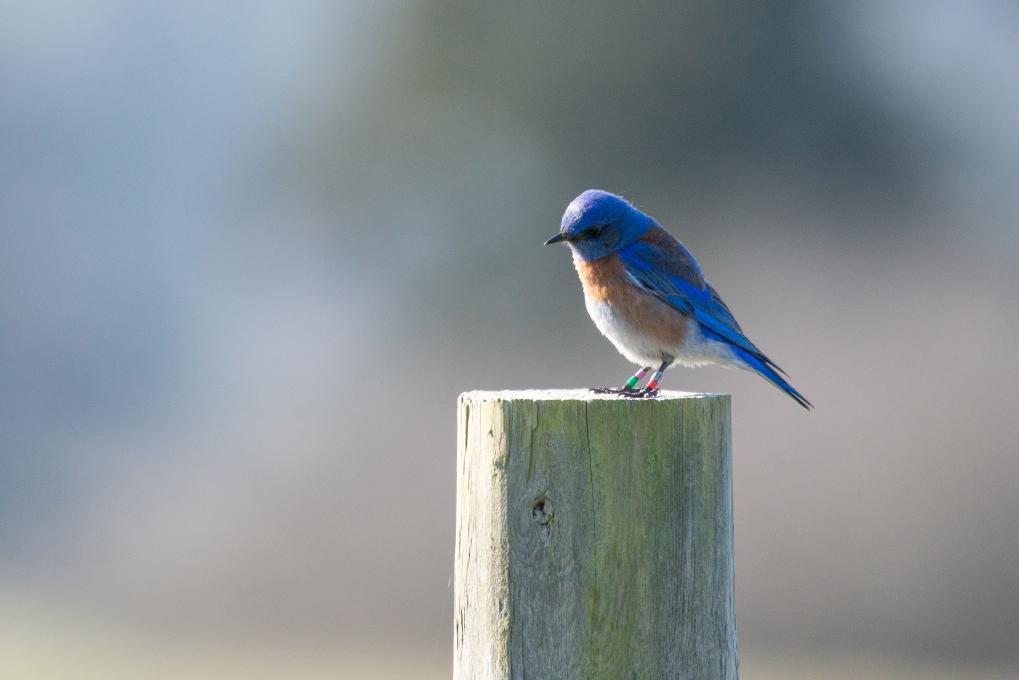
Activity 4: Western Bluebird: small-medium songbird, vivid blue markings on male mixed with rufous patches and upper chest, white below, feeding in open agricultural fields, used song recording to locate.
-
-
My favorite bird is the Baltimore oriole. The male is a robin-sized bird with black head and orange body who sings a clear almost jazzy almost flute-like song. Bonus: they make hanging nests at the end of branches. Very cool.
-
In doing the activities for bird ID'ing, I came across a bird that I am not familiar with. I tried using Merlin but it responded that it could not ID the bird. Did say that it was rare. It resembles the Warbler clan but I find nothing specific. It has brown coloration on the head and wings, orange breast, and white wing bars. Seen in SC today and is about a Robin's size. Coloration similar to finches but bill is longer and bird is bigger. Photographed on two different hummingbird feeders with it actually drinking.
-
could it be a pine warbler?
-
This is a Baltimore Oriole. Check the female and immature orioles in the field guide. Females of many species can lead you astray, and many immature birds resemble females until they get their full adult plumage. If I had to, I would say this is a male because of the black in the head and throat and how white the wing bars are.
-
You know... I think it looks a lot like the American Goldfinches posted in a photo in the next lesson! https://academy.allaboutbirds.org/topic/activities-local-bird-exploration/
Check it out!
-
@Jay Much too large for American Goldfinch. We have bunches of those but I had not seen this. It is a female Baltimore Oriole I believe.
In looking at the Goldfinches through binoculars, they appear much larger than they are. We have them feeding on the ground under the feeder and they are tiny.
Thanks for your comment. I have learned much from researching this bird.
-
I think as someone else did that is female Baltimore Oriole. I have been fooled by those, helpful if the male is around. Also need to know the size of bird.
-
@Carol A little smaller than a Robin.
-
My Merlin search shows it looks like a female hooded oriole. Also "visits feeders with nectar and fruits."
-
-
I’m struggling with the id. Merlín presents them both as an option. is it a grackle or a crow? Whatever it is, it’s bossy and makes a mess of the birdseed at the feeder.
-
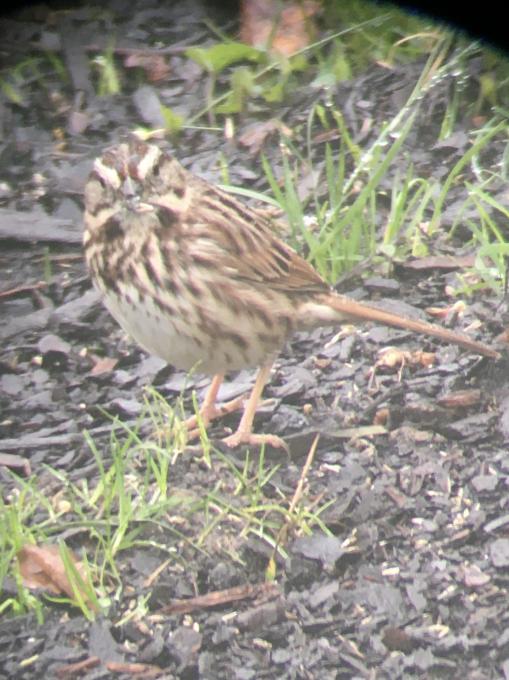
Activity 2: Telling sparrows apart is one of the more challenging tasks I’ve faced since I began birdwatching… and I’m definitely still learning!
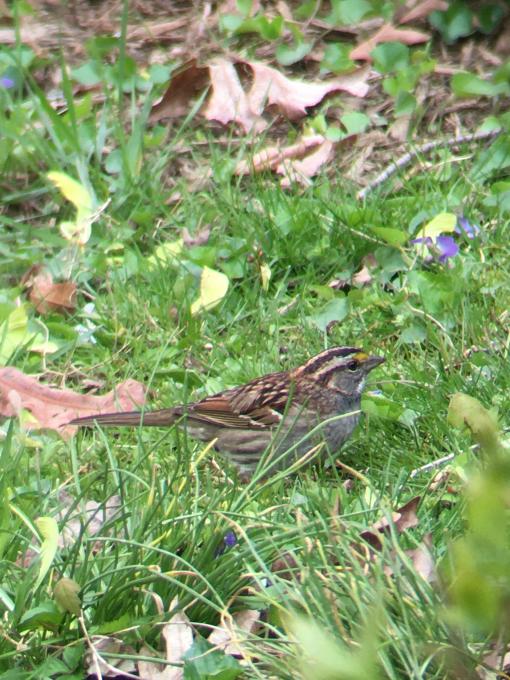
I find it easy to mistake the Song Sparrow with the White-throated Sparrow. Both are brown with facial stripes and even share similar white eyebrows! They also both feed on the ground, though I believe the White-throated Sparrow is more apt to perform the two-footed kick maneuver that Kevin describes.
The Song Sparrow, however, has a speckled chest as compared with the White-throated Sparrow’s distinctive white throat patch and yellow eye markings (though the latter do not seem to always be so pronounced).
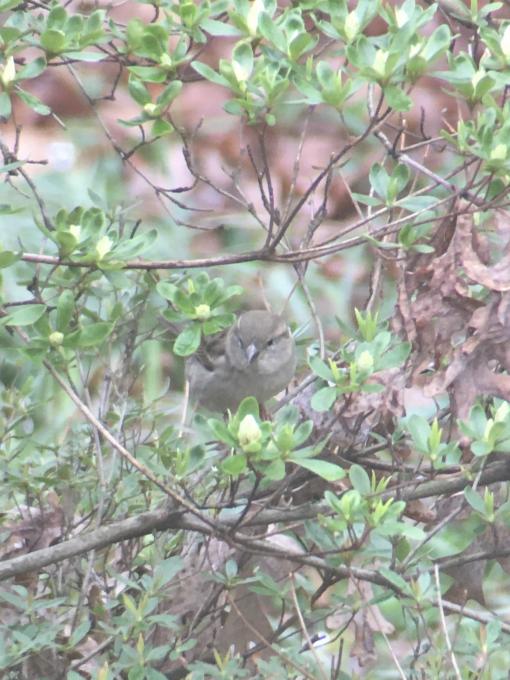
Finally, the female House Sparrow (pesky, invasive little buggers) also appear quite similar from a distance. They are small and brown colored (soft/gray-brown chest and belly with a striped back).
What do you think? Can you tell them apart from these descriptions?
-
I’m motivated to try and ID my sparrows now after reading your post. At least I think they are sparrows! Tomorrow at light I will try again.... they seem to all look alike to me. There may be a Carolina Wren in there too. (Charleston, SC)
-
@cindy Go for it! You’ll probably find many are European House Sparrows... but, stick with it, the native sparrows are quite interesting!! (And you’ll def. be able to tell Carolina Wren from his high-volume/high-energy song as well as his distinctive shape and feeding habit)!
-
Classifying sparrows is eating my lunch! Sometimes I give up until I hear a familiar song.
-
I find them really challenging too. In fact, I never realized there were so many different types. I tried identifying them the other day. I will try again tomorrow if the weather clears up. Maybe together we'll all get better at it.
-
I also struggle with sparrows. One helpful learning tool I have found is to use Cornell's AllboutBirds by typing in sparrow1 vs sparrow2 in Google. Here is one that I repeat often: https://www.allaboutbirds.org/guide/American_Tree_Sparrow/id
-
@Michelle Thanks. That's helpful.
-
-
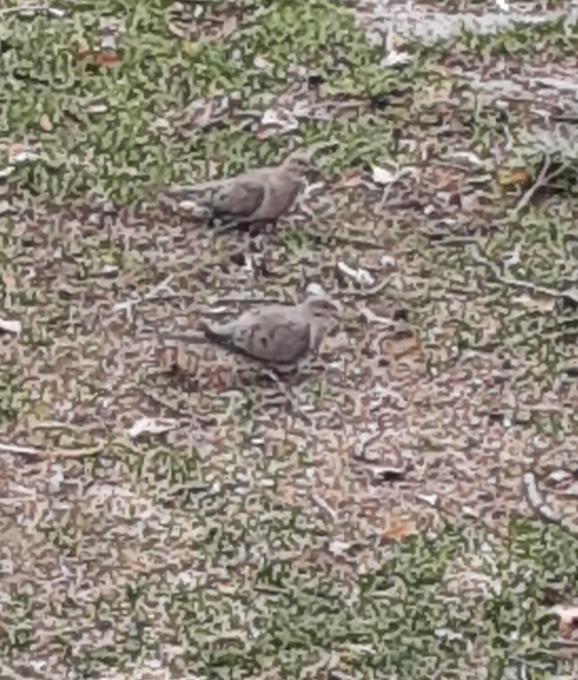
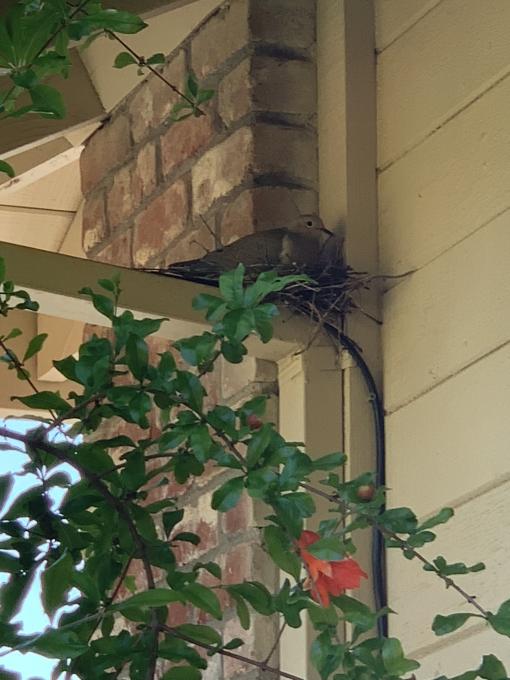
Morning doves are my favorite kind of bird. Its makes a cooing sound and has a few brown spots on its neck. For size it is the same as a pigeon. There are several of their nests around my house.
-
Thanks for posting about the dove. I guess I didn’t appreciate it enough and now that I know it is someone’s favorite, I will give it more attention. :)
-
-
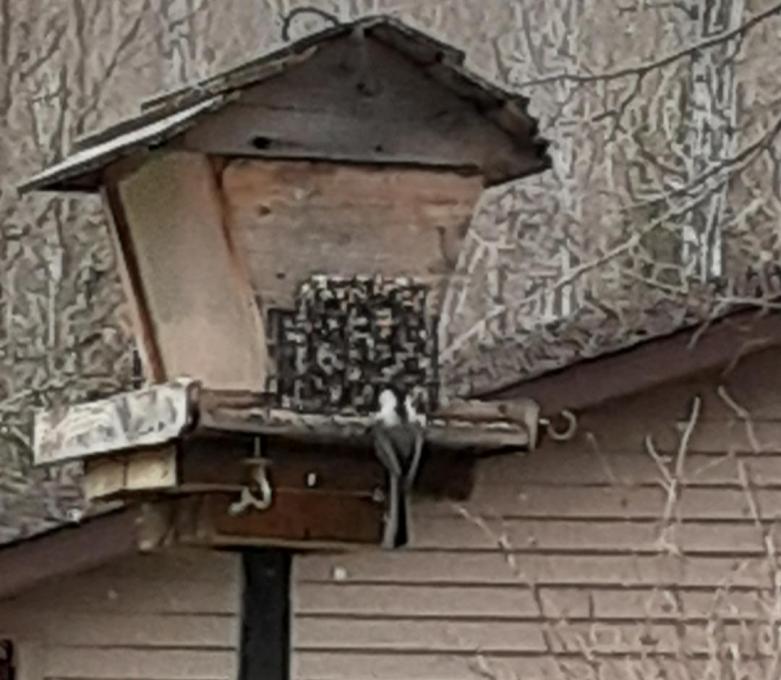
Grackles and red winged blackbirds at the Sapsucker feeders today.
-
1.- I see 2 birds eating bananas, they are together, I think they have a nest. One is black and red, the other is kind of orange with beige. Tanager
2.-I can identify a mirlo, a dove, tanager
3.- Lots of flycatcher. Great kiskadee, looking for bugs on the ground
4.- Often I see a Blue crowned motmot. He is tall, not small as the picture. he like the low branches to look for food. A beautiful blue crown on his head, green and bright blue with a long tail, round at the end.
-
I was in Belize at the end of February. We saw many birds. The blue crowed Motmot,Scarlet rumped Tanager,Black headed Trojan,Brown Jays,Chakalacas,Anthrush,Lieated wood Pecker, Golden fronted woodpecker,Pale billed wood pecker, yellow headed Parrots, Red Lored Parrot, a couple of different hawks different kinds of herons along the river and a crazy little bird doing a mating dance on the forest floor after he’s cleaned all of the leaf litter away and many more. Today in my yard and at my feeders in Northern California I’ve seen Purple house finches, Oak Titmouse, Bewicks Wren, California Tohahee, Black Phoebe, Chestnut Chickadee, Mourning Doves, Anna’s Hummingbird, Female Hooded Oriole. Are you in Belize?
-
-
I was looking at the live cam at Sapsucker Woods. I was able to distinquish a common grackle from the European starling. Their shape is so similar but that shiny dark blue on the grackle helped. I used the Merlin app to assist. I already love it. There were also male and female cardinals, chickadees, a tufted titmouse (looked that one up), and lots of red-winged black birds. Fun.
-
1. I saw 2 Mourning Doves and Chickadees. Easy to spot the differences by size, color, and their shape.
2. Three different birds this morning, same colors: Robin, Mourning Doves, Wild Turkey. The robin looked a darker brown, easy to know it due to the orange belly, the Turkey was easy to ID due to it's size, though i did second guess was it a pheasant? Used the Merlin ID and due to the brown patch above the tail feathers was able to tell it was a Wild Turkey. The doves easy to know the difference, one thing i did learn via the lesson were the spots on their wings, i never noticed spots on Mourning Doves before.
3. Three birds searching for food, same as #2, Robin, Mourning Doves, and the Wild Turkey. All three were foraging on the ground. The Doves were savaging seed on the ground by the bird feeder, the Turkey was out in the grassy area as were the robins.
4. My favorite bird is the Pileated Woodpecker. Easy to distinguish by it's large size, as well as the black and white coloring along with the brilliant red hood.
-
Activity 4: My favorite, the mourning dove is larger than a robin, with a small head, beige-ish belly and dark spots on it's wings. When not nibbling on millet, they are resting on the telephone wire or a tree branch as their soft coo coo wafts through the yard.
-
I have a nesting pair of Oregon Dark-eyed Juncos underneath my deck. This bird is sparrow-sized with white outer tail feathers and likes to forage on the ground for seeds that fall from the feeder in our pear tree.
-
I never heard of a Junco before, do you have photos? Neat that you have them nesting so close to you!
-
-
1: I saw a Downy Woodpecker and a Golden-crowned Sparrow. The woodpecker was feeding at a suet/seed feeder, vertically oriented. The sparrow was feeding on the ground beneath the suet/seed feeder, hopping around with other Golden-crowned Sparrows. 2: I saw a Tree Swallow, a Barn Swallow, and a Western Bluebird with blue the predominant color. The Tree Swallow has a blue back, and hood, a short tail with a white underbody. The Barn Swallow has a blue back with a rufous underbody and a long forked tail. The Western Bluebird is a male with brilliant blue areas on the head, back and wings with rufous patches on the wings and upper chest. 3: The Tree and Barn Swallows were feeding in the air on flying insects. The Western Bluebird was feeding from the ground on small green worms and also flying insects it flew to from perches to catch. 4: The Western Bluebird is a small to medium size songbird with brilliant blue markings and rufous patches on the wings and chest that feeds from the ground and from perches. The bluebird feeds in open fields with trees, fences, and overhead telephone lines to perch on. This time of year they sometimes look for nest boxes and carry dried grasses from the ground to the nest box which is what I'm currently observing in the Pacific Northwest.
-
Thanks for sharing, can you put up pictures? especially of your nesting boxes? I'm interested in how you did it, how high up off the ground, etc. Thanks!
-
-
1: I saw a junco and a robin. The robin had a much rounder shape to it than the junco. It also appeared to have a smaller head than the junco, but that may be because of the junco's black hood.
2: I saw three birds with red on different parts of their bodies. The robin has a red belly, while the Purple Finch is red all over! The Towhee had a little bit of red on its sides. I got to use the Merlin app to identify the Purple Finch and the Towhee, which I originally thought was a junco.
3. I saw my robin foraging on the ground, using its beak. The Purple Finch was at a feeder. I saw a hummingbird (not sure what kind) flitting around near a pine tree.
-
Thanks for sharing, i'm learning a lot. I thought i saw some "rare" little red bird, same here, looked it up "purple" finch. you must be in a warmer climate than i am (I am in Wisconsin) We don't have hummingbirds yet.
-
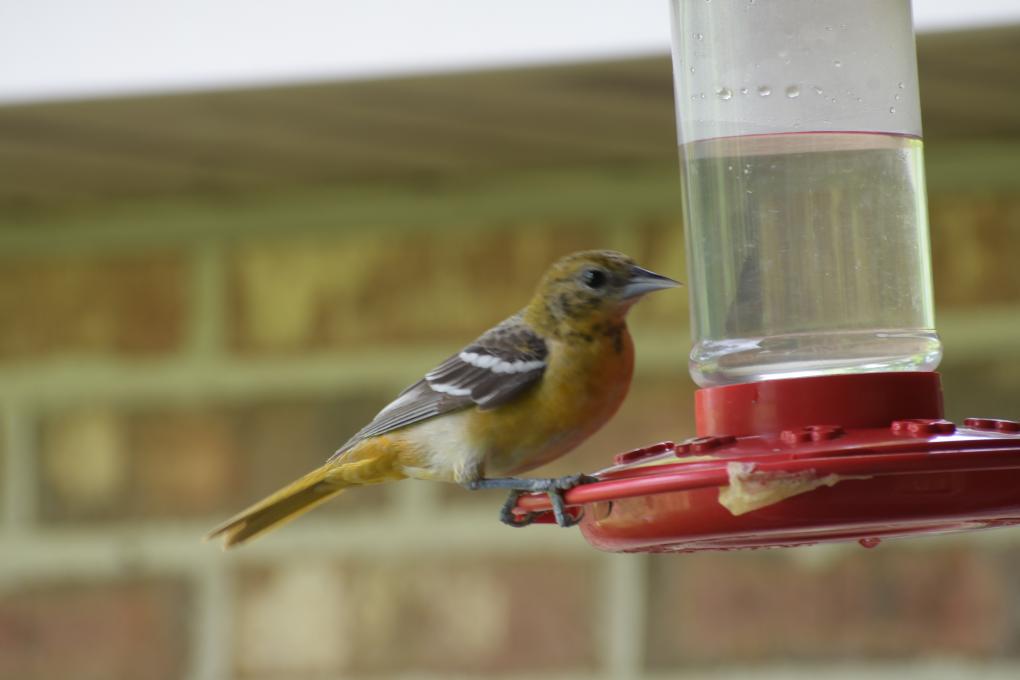
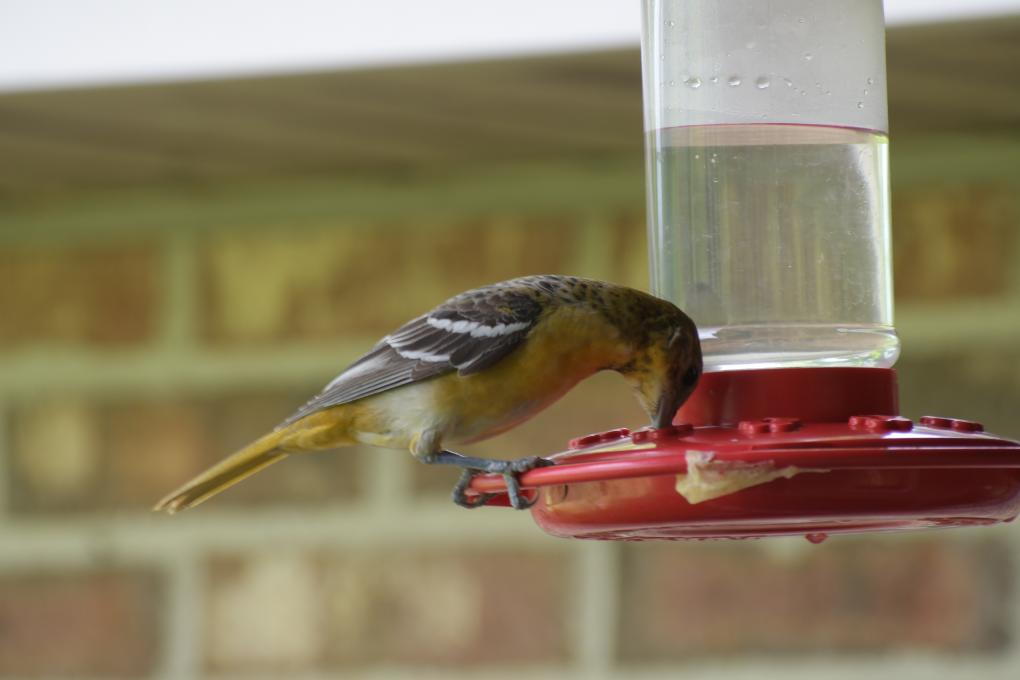 It resembles the Warbler clan but I find nothing specific. It has brown coloration on the head and wings, orange breast, and white wing bars. Seen in SC today and is about a Robin's size. Coloration similar to finches but bill is longer and bird is bigger. Photographed on two different hummingbird feeders with it actually drinking.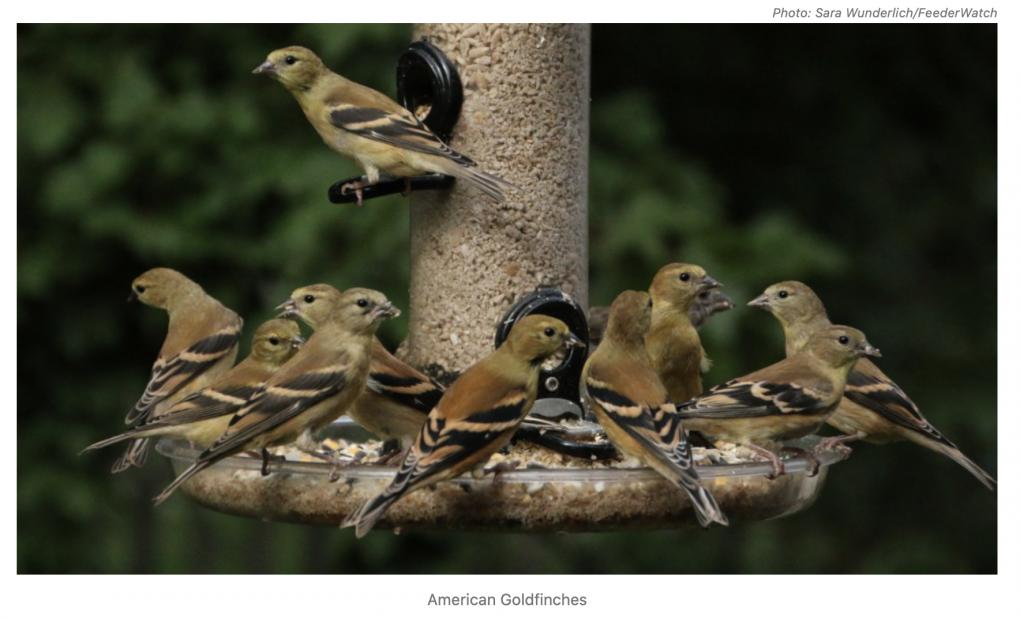
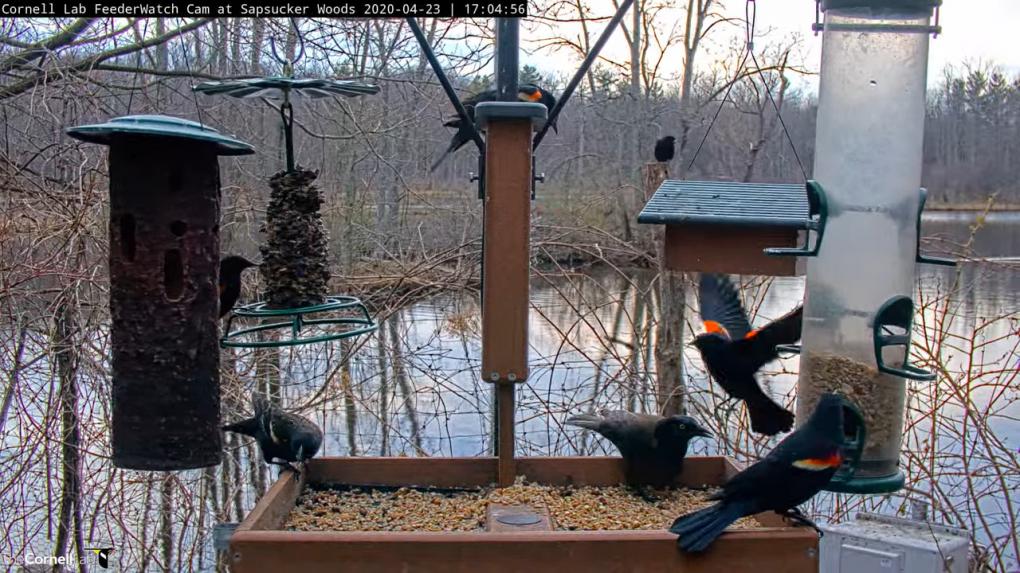 Grackles and red winged blackbirds at the Sapsucker feeders today.