The Cornell Lab Bird Academy › Discussion Groups › Bird Photography with Melissa Groo › Practice Matching Your Gear to Your Goals
-
My two main goals are photography for identification (mostly when I'm visiting a new area) and photography of natural and unique behaviors. Many of my photos feel "lucky", and while I feel luck has its place in photography, it would be helpful to build the skill behind a photo as well.
I learned of the importance of tripods and blinds, thanks to this lesson. The tripod I have been using was one used for a scope, and while it is decent, it does not necessarily hold the weight of my camera/lens. I thought I could get by for a while, but now I understand the value in a good tripod! It is likely to be my next investment, photography-wise. As for blinds, I've been wearing dark clothing in the field, and it has worked pretty well. However, if I were to photograph more in the forest, I see the value in camouflage clothing or a blind and in preparing a blind before taking photographs. -
My husband and I enjoy walking and bird watching. We have both a DSLR with a 70-300mm lens and a Sony RX10 bridge camera which we purchased recently. We are very much enjoying the new camera as we are much more likely to grab it and take it with us on a walk than the DSLR which is a much heavier camera. We simply want to get some good shots to enjoy and share with other birders.

-
I too have the Sony RX10 and have found it useful for starting out in bird photography. The Mk. IV has a great autofocus and can capture birds in flight well.
-
-
With each step I take in the course I see that bird photography is a great compendium of details. I will certainly strive to acquire better equipment and accessories for photographing birds. For the moment I will use my dark clothes and my Nikon Coolplix P900 camera
-
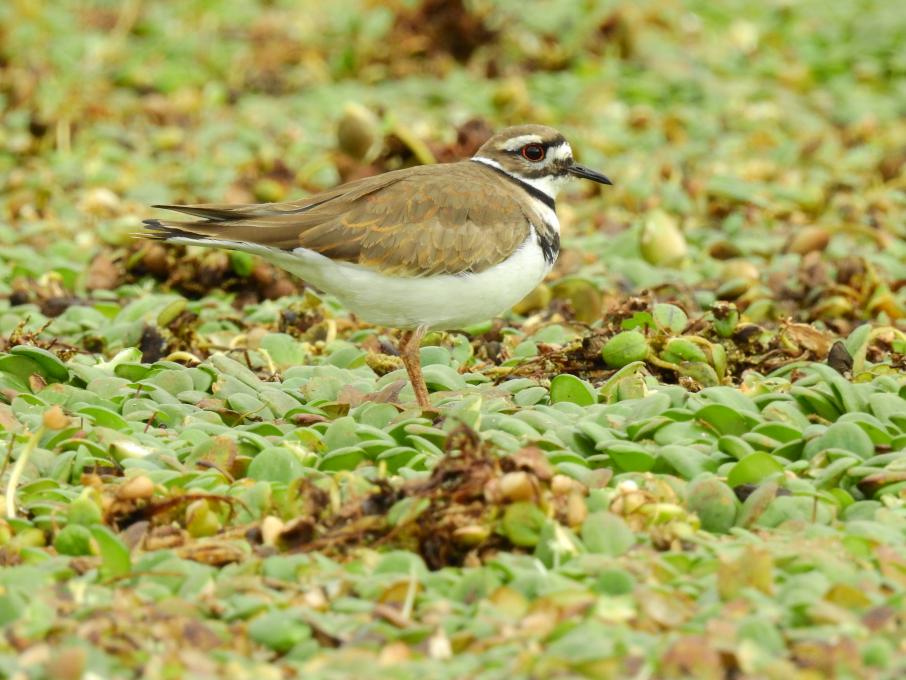
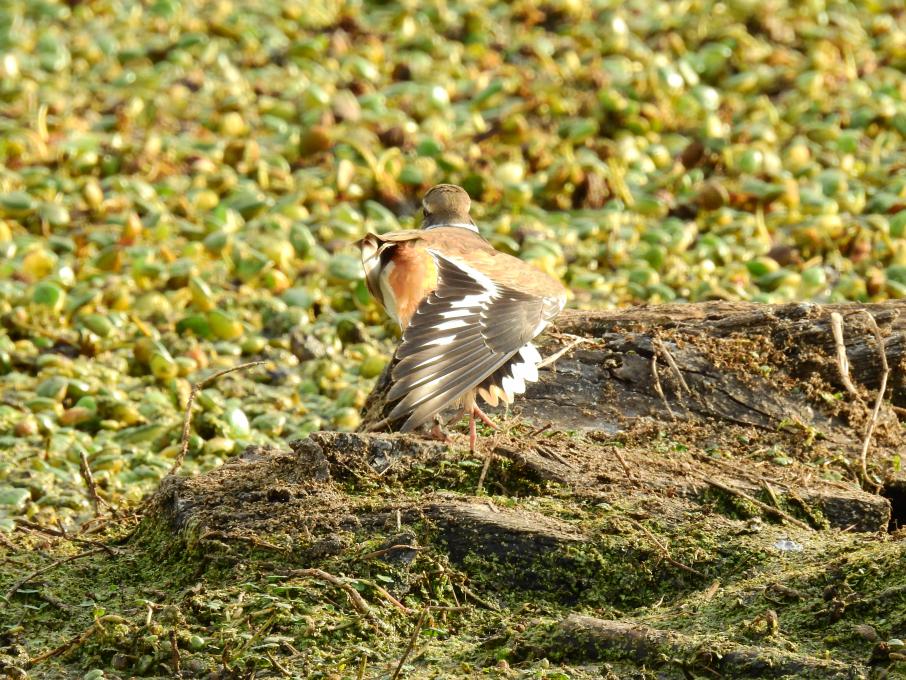
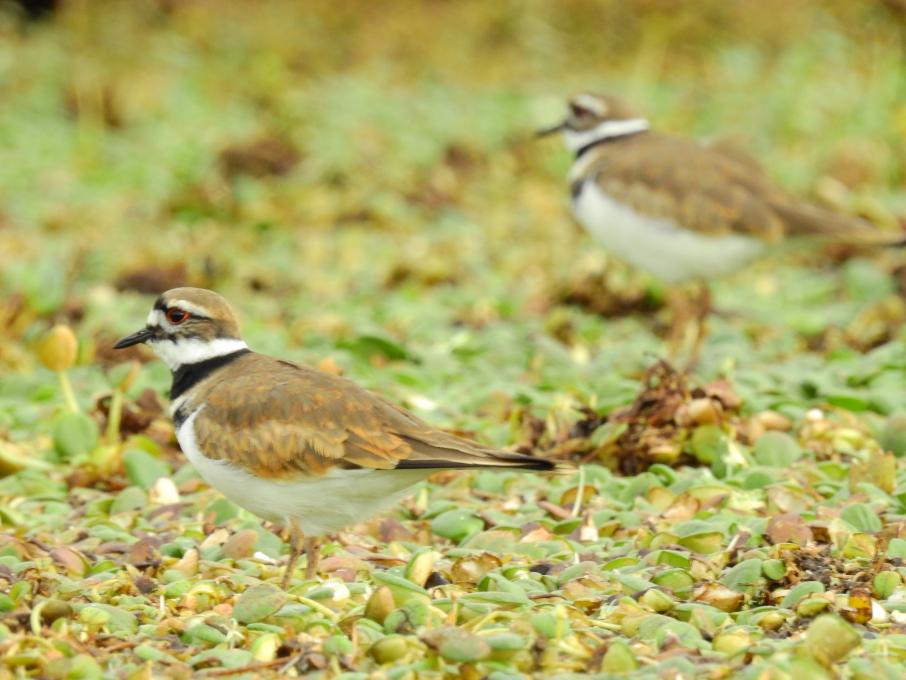
This time I decided to photograph a couple from Killdeer who have been living near the Bogotá River, I weared dark clothes, I made silence, haved patience and waited for my models to pose
-
-
I am very much a beginner in bird photography. Before I invest a lot of money, I want to improve my technique when it comes to timing, lighting, and so forth. Then I will upgrade my lens from my current 50-200 mm, buy a teleconverter, tripod, and gimbal. I enjoy photographing shorebirds and forest birds just so that I can examine them more closely without disturbing them.
-
I am working on the equipment I want, and feel I am getting close, with a Nikon D500, 200-500mm zoom, 1.4x teleconverter, and a solid tripod with gimbal. I really want to work on composition, field technique, and being more thoughtful with my settings. -
I do a lot of hiking, and am keen to get better pictures of the birds I see in the backcountry. Often but not always these are small birds that are constantly moving; and on top of that they're usually in low light conditions too! I'd like to learn to take pictures of birds in flight as well.
For hiking I generally use a 24-240mm lens, which is very versatile (landscapes to people shots to birds), but sometimes I'd like to be able to have greater reach. I also own a 200-600mm telephoto, but this is far too heavy to take hiking - it works best on a tripod with a gimbal head. So I've recently invested in a 100-400mm telephoto, which while not exactly light, is still light enough to handhold and take on easy hiking trips. I also got a LowePro toploader case to use with it, so I can walk with my hands free but still have the camera easily accessible.
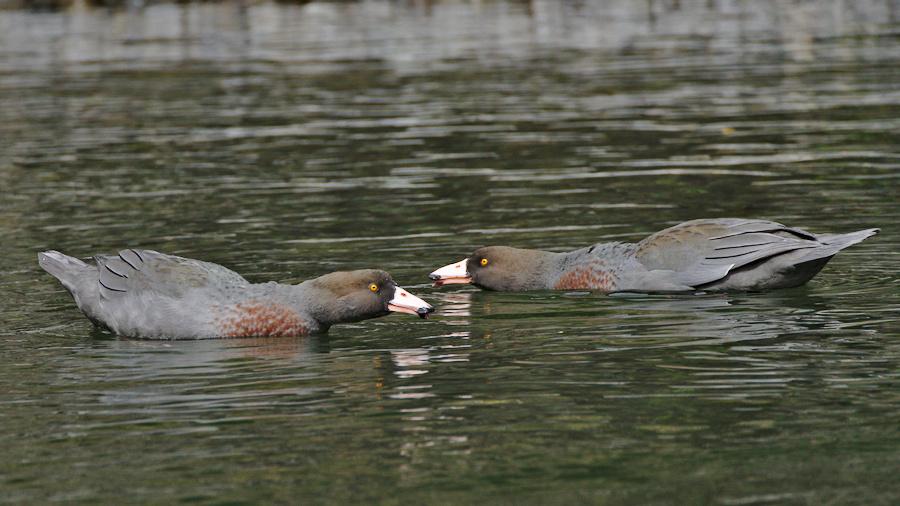
Here are some pictures taken using the new lens to work towards the above goals. Blue ducks are torrent ducks found only in fast flowing mountain streams. Here are a couple vocalising:
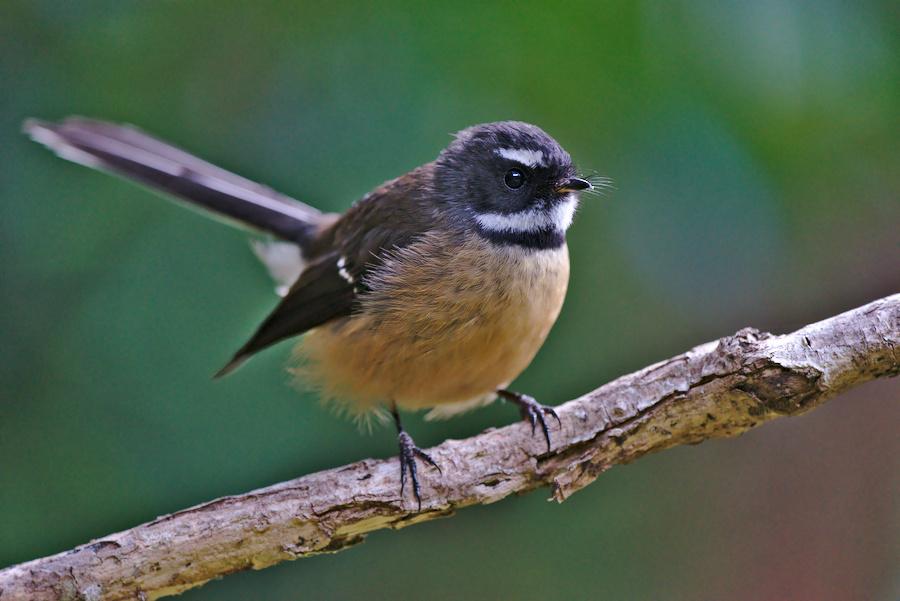
Fantails are fast moving insectivores that are always in constant motion. Here's one photographed while hiking, although I get them in my garden too:
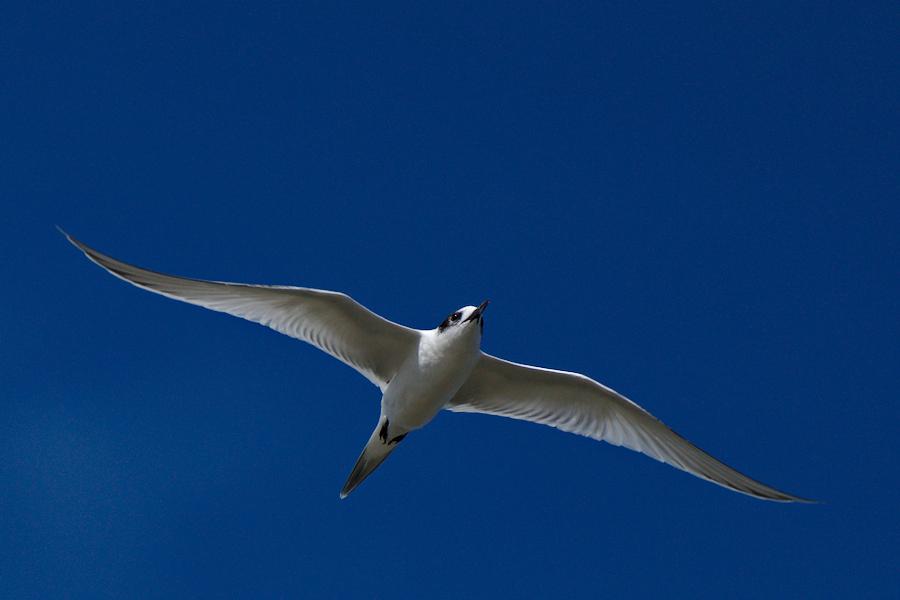
A white-fronted tern in flight:
-
Really nice photos! Thanks.
-
-
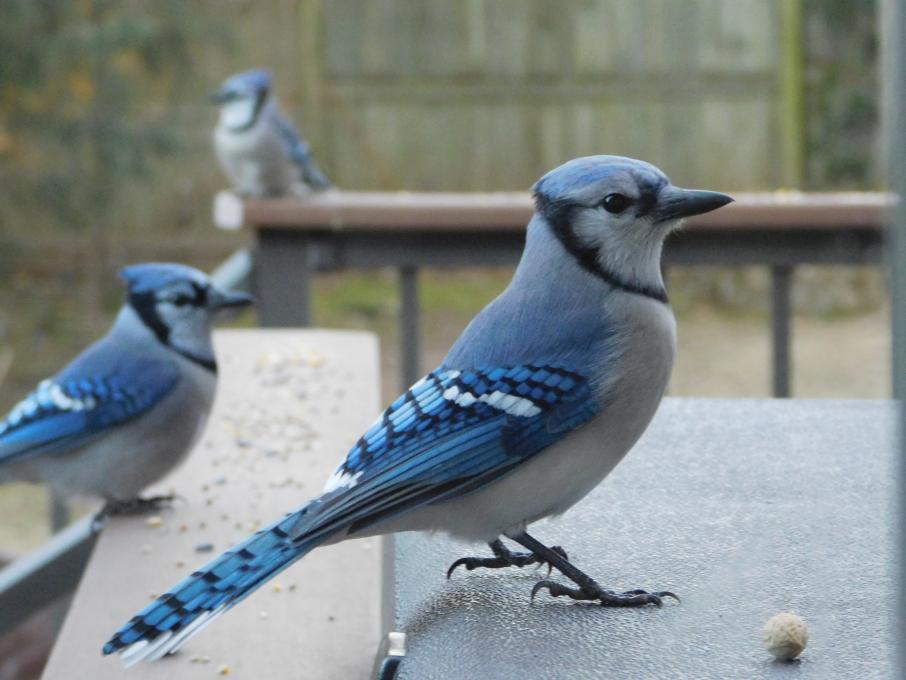
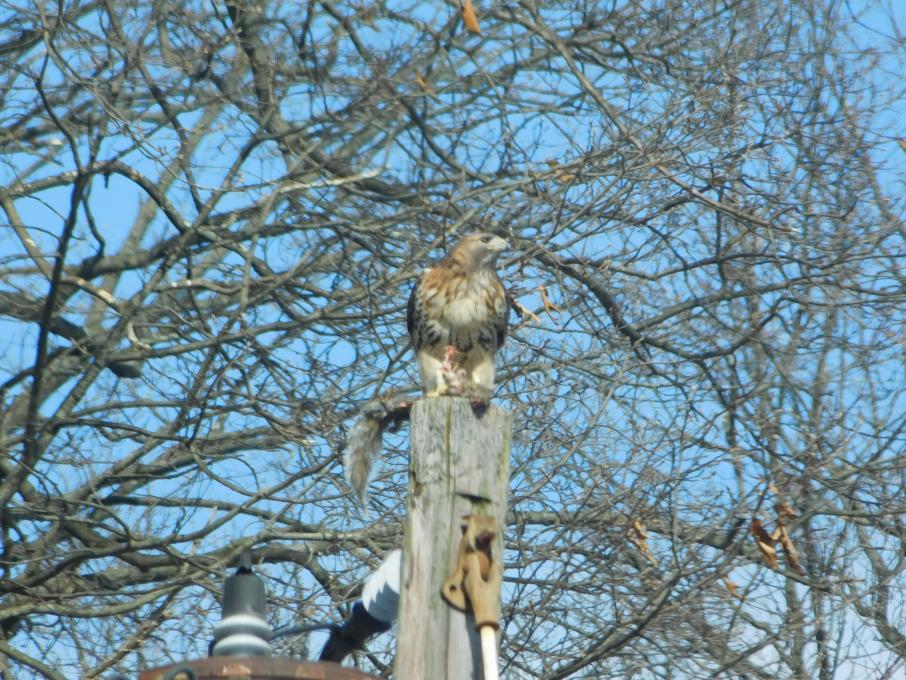
This was a very helpful exercise. Good use of the Macauley library photos. Definitely helped me realize i want some more zoom capability in my next camera (current one only goes up 152 mm). I want to be able to take good, clear photo's of birds at my feeder, and at my local parks, and when I go on birding outings, such as to Cape May, NJ. Not trying to win awards, but just be out in nature and capture it and share it with friends and family.
-
I have multiple goals that I use my photography to provide. I love nature, landscapes, birds, flowers, and like to focus on different series to tell the story. I paint, draw and am learning to do nature journaling. I like to document the birds I see, I participate in Feeder Watch, Nest Watch, and I study the birds in my neighborhood as well as attending bird festivals and planning travel to areas that have migration activity to see new species. I have on old Nikon D90 work horse with a telephoto 28-200mm, and I use a 2x teleconverter. It has been a great camera, but I am at a crossroad thinking of upping my equipment capability with a more powerful zoom 200-500mm and making the technology transition to a mirrorless camera. Still trying to decide which brand and version would serve me best.
Pat -
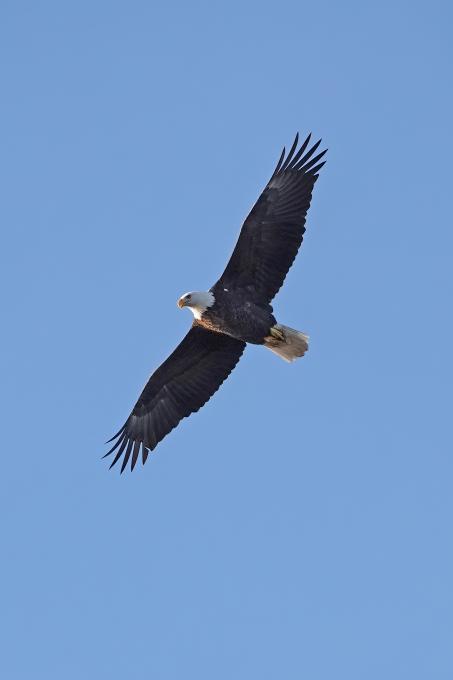
My goals are pretty simple, I think. I want to take clear, close up photos of the birds I see, at my feeders, around the lake where I live, and on outings, mainly for sharing online. I have a hand-me-down Panasonic Lumix bridge camera that I'm just learning to use, a teleconverter, and a serviceable tripod. I'll keep note of the benefits and trade-offs so that when/if I'm ready to upgrade, I'll have a good idea of what's next. I also picked up a Vortex scope with smartphone adaptor and a better tripod last month, so I can work on getting a good view of the pair of bald eagles nesting across the lake, about 1/4-mile away. I'm also researching camera bags so that I can take the show on the road when the mood strikes.
-
I have been an amateur photographer for years. I love to go the photo studio, arrange the set of lights and get my models in there. Usually they follow instructions pretty well. As a result, I have had beautiful shots (some of the friends I have taken pictures to, keep using them in their social media after several years). With birds is quite different. Birds usually do not stay still, they tend to hide or, after seeing me with curiosity, just fly away before I even get the camera ready. I have hundreds of photos of lonely tree branches and grounds full of leaves but without any birds on it.
Then, one of my goals, right now, is to understand birds better, so I can figure out when and under which conditions I can get the best picture of them –and to stop dreaming about the easiness of working with my models in the photo studio. My gear is really basic (Canon 90D and a 70-300 mm lens), but enough for now, as I am starting to learn. When I got more expertise, I will need improved optics, for sure!
-
though my bird photos are ok or better then ok as I have been told. I want to make faster and better better settings when out , on the fly so to speak, so I do not miss the shot. like any thing else need to practice and read the light and how the subject is moving .
-
By photographing birds, I observe them more closely and understand them better; the process is more important than the goal. I am drawn to photos that show off the behaviour and personality of the birds, putting them in a living context rather than prioritizing a pretty or artistic shot, although it is great when that happens too. For me, the plain browns are as interesting as the sparklers. I love the razor-sharp images that professionals get, but I would have to shed twenty years and go back to the gym before I could carry all the gear. I use a Nikon D500 with a 300 mm prime lens. After listening to Melissa, I will use my tripod more often, perhaps with a gimbal, and I may get a 1.4X teleconverter, something that I have so far shied away from. I take a lot of shots, mostly throwaways, and am striving to understand my camera better to improve my strike rate.
Little corellas (Cacatua sanguinea), Nikon D500, 300 mm 1/1250s, F/8, ISO 320 with 0.67eV. -
I looked at lots of images in the Macaulay library and I'm very drawn to crisp, close-up shots of birds in their natural environments. I love it when a photo is so clear you can see the individual barbs of the bird's feather, or the tiny feathers of the eye-ring, or a reflection in the bird's eye. One photo I saw captured a small droplet of water or dew on top of a chickadee's head! This is the kind of photo I'd be thrilled to take.
I currently own a Nikon D5100 which I've had for 8 or 9 years. I have a Nikon 70-300mm zoom lens and a Nikon 300mm fixed lens, which I use with a 1.4x teleconverter. I got the 300mm used/refurbished from Adorama, and it squeaks when it focuses, but it works well enough. So... even though my equipment is not brand new, I feel it fits my ability level for the time being.
My primary goal for this course is to learn more about how to use the equipment I have - as well as learn new techniques for taking great pictures. Over the years I've taken some pretty good shots of birds - but I always feel this happens by accident, not by design. I'm hoping this course helps me increase my knowledge of how to use my camera and lenses to capture better photos of birds! -
I've been taking ok photos of wildlife for quite a time with my Olympus OMD EM1, had a Mk1 to start with then upgraded to Mk2 when my original took too much of a beating and died. I've been considering upgrading to a Canon full body for awhile because their glass is something else. Most of the photos I was drawn to for sharpness and colour were taken with Canon EOS bodies and zooms. A friend who is a professional photographer recently bought the EOS R6 and reckons, although not full body, that it's pretty good! I think I'm going to go for it.
I also need to replace my tripod. I wanted a carbon fibre, I cheaped out, I have regrets (too heavy, awkward). I've been getting by with propping my camera on rocks and a little gorilla pod for ages, but it's not great.
End game is that I want to consistently take photos that I'm proud of. Be nice to have a hobby sideline selling the odd print. I go to some great places and see some great wildlife, with work and hiking in my personal life - I should be taking better photos. Hence this course. -
Enjoying the course! I’m curious what sort of head to use with the monopod. Thanks in advance!
-
I’ve taken photography courses before so I knew some basics but I always forget and need to brush up. I was working with a Nikon D3500 with a 200-500 zoom lens. My husband had purchased a refurbished Nikon teleconverter 2x. I didn’t get to use it before I dropped the base of my camera and broke the base.😑 I’ll be purchasing an upgraded camera now that I know more about the f-stops.
My goals are:
To know more about cameras that are better for bird photography,
Learn more bird photography specific skills. I’d heard of aperture but didn’t connect with the need for a low Fstop for bird photography for dawn and dusk hours.
I’d also like to know more about filters and hoods in use for bird photography. -
My goals for this course is to develop my photography skills, learn more about camera and understand the settings. I have a Nikon D3500. It is an excellent camera, but do not believe it works well in low-light. I will keep experimenting. And I have 2 lens, a macro lens and a telephoto lens. But once I develop my skills more and get better pictures I may invest in a better telephoto lens that has a higher zoom.
-
Truly, I'm just a small time backyard birder with modest goals of capturing images of the avian creatures who visit my bird feeders. I've been a photography hobbyist for many years but my equipment is old, dated, and in need of complete "refreshing" in both quality and technology. My budget could afford a reasonably good "bridge" camera.
Nevertheless, like I told my young children when they begged for the latest shiny new gadget, "Play with the toys you have!" So I mounted the cheap lens on a tripod, attached the iPhone with an adaptor/holder, and took some pictures. Not exactly "magazine quality" but good for my own memories and life list verification.
-
I am currently working with a Sony A7iii and the 200-600 g oss lens. I am have been on the fence about investing in the 1.4 teleconverter but I think I am definitely going to go for it now. The Sony is cool because it has the built in crop feature which essential extends the reach of the lens but you lose A LOT of your megapixels when you do that. I am hoping to get better at tracking and finding birds. I am also hoping to become more skilled at operating my camera. I sometimes miss focus in low light situations but I know that the camera is capable of getting these shots, I just have not mastered the settings.
-
As a novice birder (2 years) and photographer (< 6 months), I am a bit overwhelmed by the vocabulary when discussing camera gear. My goal is to capture photos to assist me in identifying birds that I see (usually on purposeful birding hikes with small groups of like-minded folks). I received a Panasonic DC-FZ80 (now I know this is a "point and shoot" camera) for Christmas and began using it in January (in automatic mode). After 3 birding trips, my success rate in getting a bird in the picture that could be identified was 30%. I observed some Youtube videos about my specific camera before going back in the field... I'm now at about 70-80% but have discovered many limitations to my camera and especially, to my skill level:
- camera - only works with decent lighting (not good in the common morning marine layer fogginess of my southern California environment), focus limits - birds cannot be "too far" away, motion - birds in motion not captured well, noise - the click of the shutter scares some birds away
- skill - lack of ability to "find" the bird through the viewfinder (especially sneaky birds like warblers and wrens), hand or arm fatigue (arthritis and "trapping" syndrome leading to numbness), slowness - by the time I put my binoculars down and get the camera out, bird has moved on, trouble if I accidently press a button on the camera that changes any function (one day it went into 4K burst mode and the battery died soon after)
My specific goal for taking this course is to understand more about my camera and be able to move out of automatic mode, or at least understand why I should not do this!!
A couple of photos I'm proud of... common yellowthroat (commonly heard but not seen so very difficult to capture) and a snowy egret. -
My Goals are to capture as many different species of Ontario as I can but also to improve as a Photographer. Catching birds in action .
I will need an dslr and at least a 200-500 mm lens. This is equipment that I already own. A 1.4 teleconverter would be a great addition.
I also need to be more patient and learn to bring and use my tripod or monopod -
I upgraded my tripod this year. I now have a Benro carbon fiber tripod with a Benro gimbal head. Looking forward to using it out and about this year. I use a Tamron 150-600 zoom with my Nikon D750.
-
I am an artist who loves to draw and paint wildlife - and to go for hikes looking for wildlife. In spite of being a bit shy of technology, I attained proficiency in Photoshop. My goal now is to learn more about photography, but only to take better reference photos of wildlife for my art and personal interest. So, I have the the Canon Power Shot SX60HS and think it is probably ideal for someone like me. Since I am almost 70, I am concerned about ergonomics and bought a Black Rapid sling strap today for carrying my camera at the hip level - rather than hanging from the neck. I also recently bought a strap for my binoculars, which keep them close to my chest while hiking and readily accessible for use. It's spring now, with frequent rain, so I bought the OpTech rain cover Melissa recommended, too. I was surprised to learn at the camera store that this means I could take photos in the rain....I had assumed it was just to protect it :)
I was very pleased to learn more about Macaulay Library and enjoyed the homework assignment. It's an interesting way to develop a sense of what one likes in artistic effects and to understand the technology better. I looked at Steven Mlodinow's beautiful photos of Sandhill Cranes because I hope to see them on my next hike. I loved the warm colors of the birds in the foreground - especially with the glow of the water and blurred reeds in the background. I also liked the composition and the arrested sense of movement. I enjoyed the fact there were other species present besides cranes and think I tend to be drawn more to scenes with an abundance of birds than solitary birds. -
A little over a year ago I upgraded my camera body to a Nikon D850 from a Nikon D7100. I considered a mirrorless camera at the time but couldn’t afford it. I’ve since replaced the original 200-500 Nikkor Zoom lens with a Tamron G2 150-600 Zoom. The lighter weight and longer focal length of the Tamron has been helpful but after going through this lesson, I’m considering whether to get a 1.4 teleconverter and use it with my original lens to see what opportunities that could provide. When I lived in Oregon, there were several places I could use my car as a blind, but that option has been extremely limited in Idaho, where I now live. It also isn’t feasible to set up a blind several days in advance of using it on public land as it would get stolen or trashed. Most private land is closed to bird photographers unless you have a personal relationship with the landowner.
-
I used a Canon SX 60 Zoom for the first 4 years. I liked the versatility and the portability. I got decent shots of stationary birds that were fairly close, but never a decent shot of a flying bird. Then I bought an Olympus mirrorless camera with a 100-400mm zoom lense. I've had success with that, and have gotten some decent photos of birds in flight. I get the best results when there is sun at my back. I find it difficult to get sharp photos of small birds on the ground, unless they are very close. I suspect the shallow angle formed by the ground surface and the direction my camera is pointing makes focusing more difficult.
I used to like to fill up the frame with the bird, using my crop feature. Now I pay more attention to the surroundings of the bird.
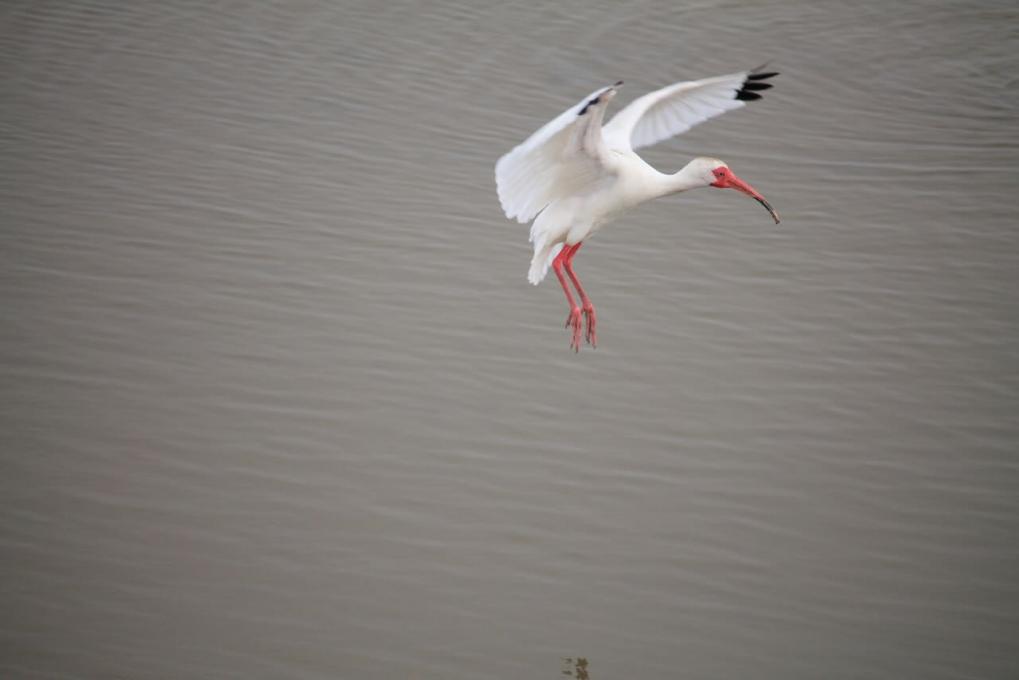
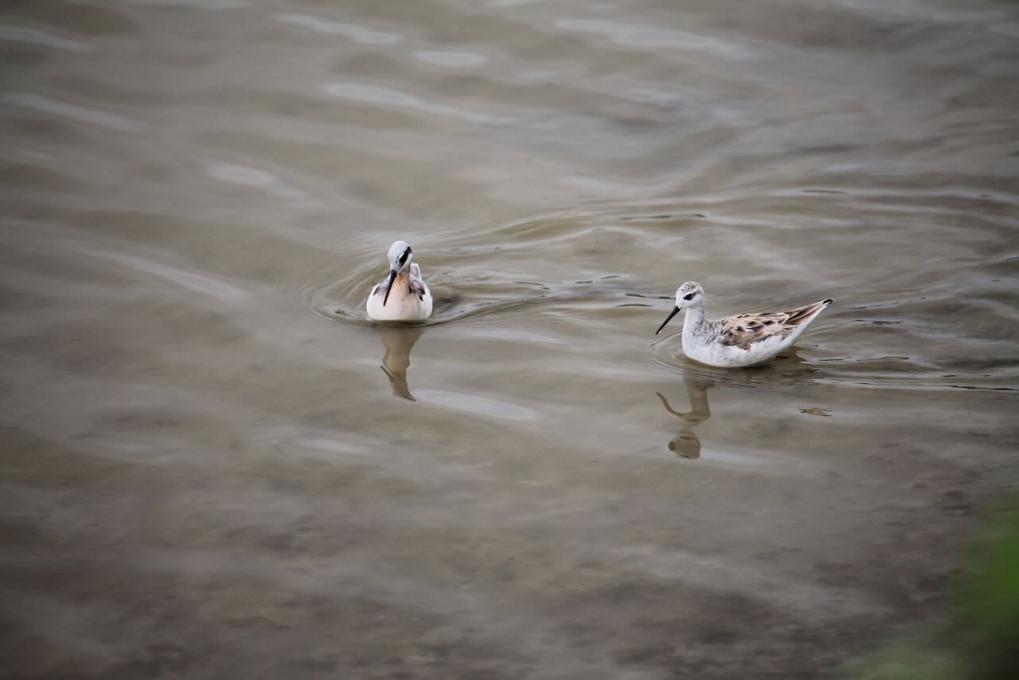
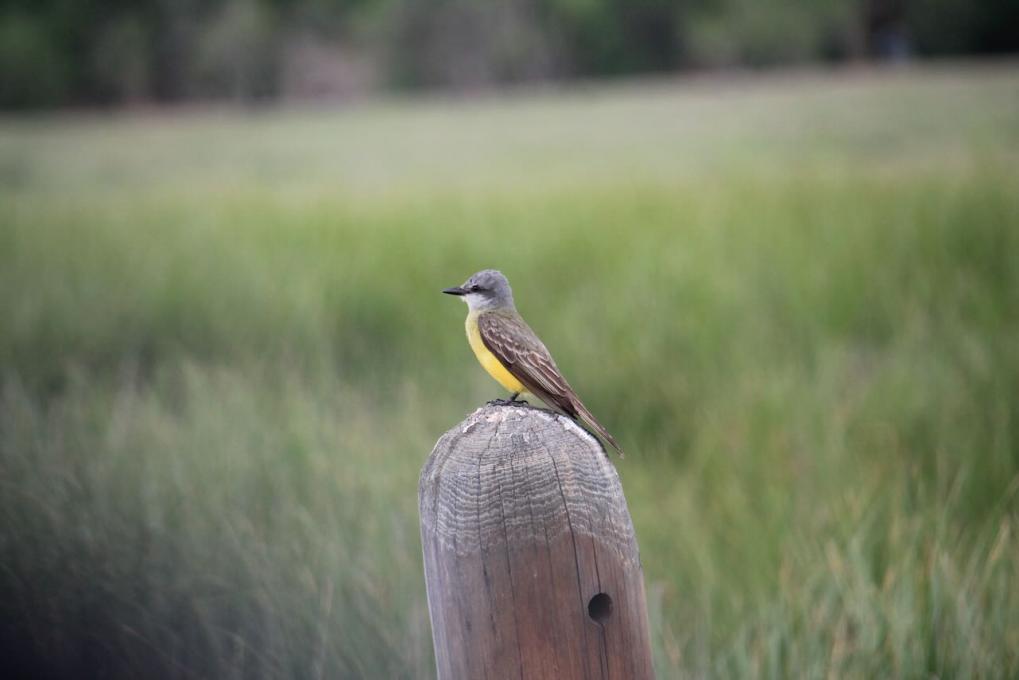
 This was a very helpful exercise. Good use of the Macauley library photos. Definitely helped me realize i want some more zoom capability in my next camera (current one only goes up 152 mm). I want to be able to take good, clear photo's of birds at my feeder, and at my local parks, and when I go on birding outings, such as to Cape May, NJ. Not trying to win awards, but just be out in nature and capture it and share it with friends and family.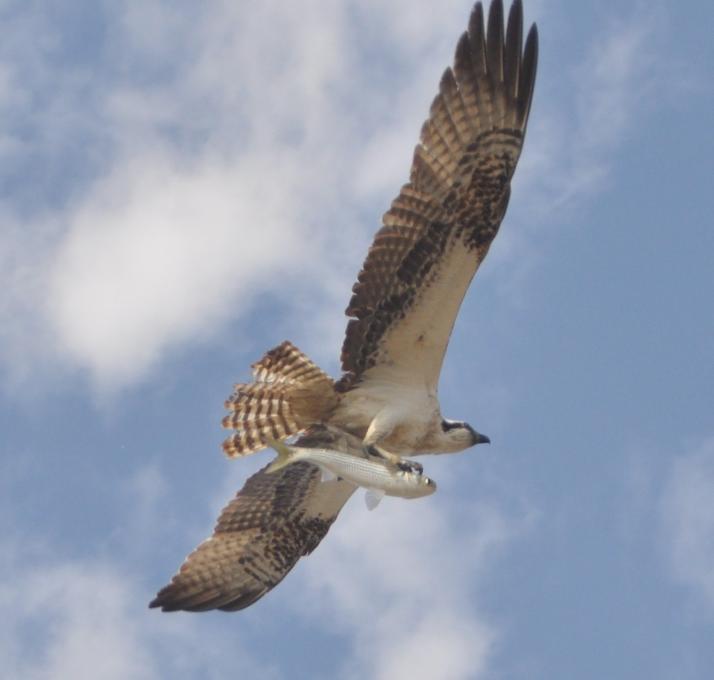
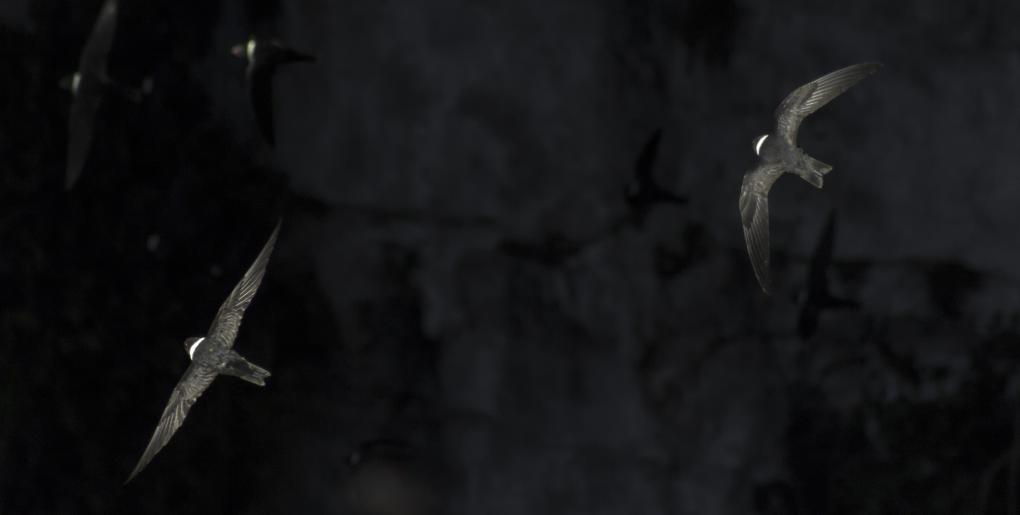
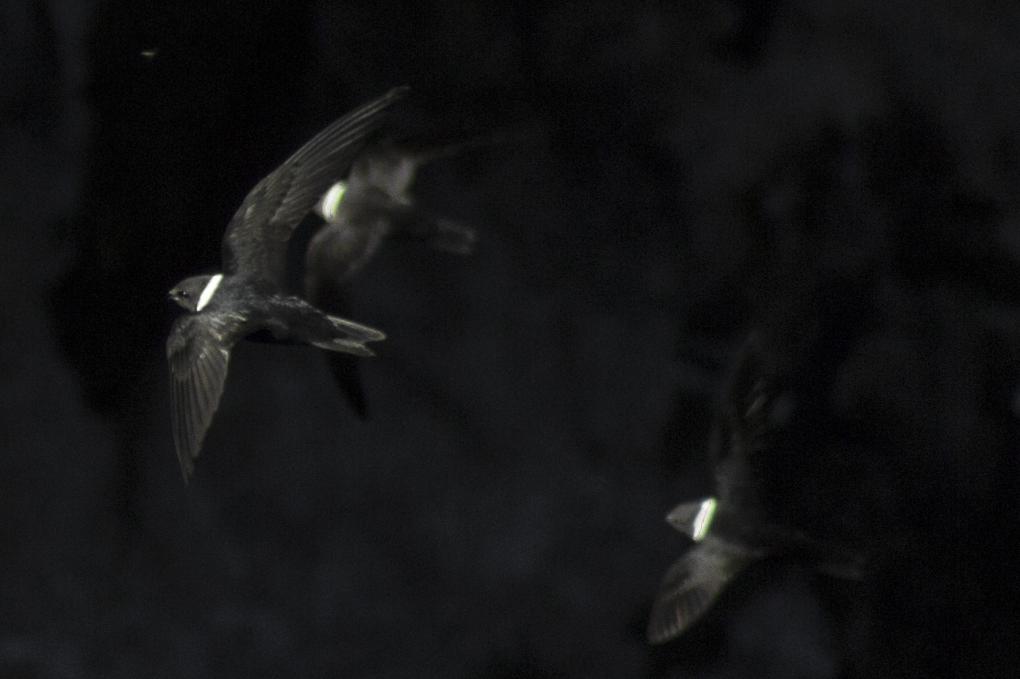 I have been an amateur photographer for years. I love to go the photo studio, arrange the set of lights and get my models in there. Usually they follow instructions pretty well. As a result, I have had beautiful shots (some of the friends I have taken pictures to, keep using them in their social media after several years). With birds is quite different. Birds usually do not stay still, they tend to hide or, after seeing me with curiosity, just fly away before I even get the camera ready. I have hundreds of photos of lonely tree branches and grounds full of leaves but without any birds on it.
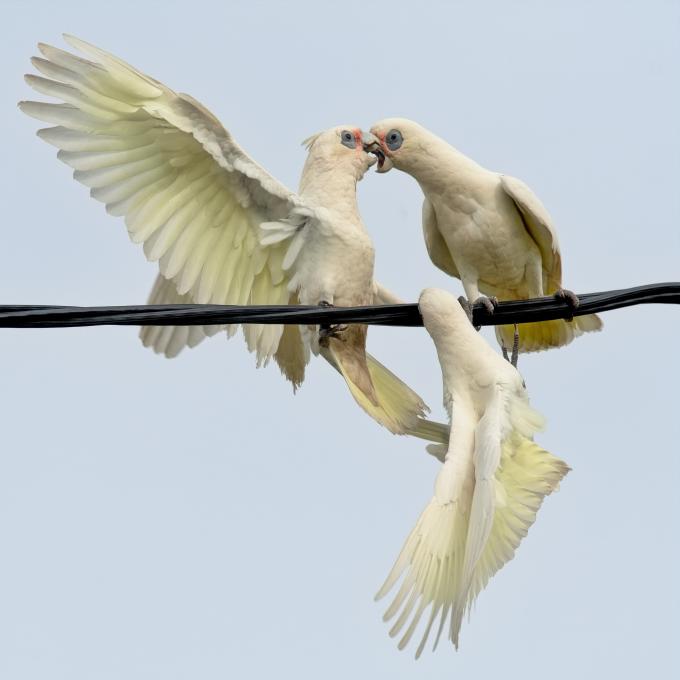 a pretty or artistic shot, although it is great when that happens too. For me, the plain browns are as interesting as the sparklers. I love the razor-sharp images that professionals get, but I would have to shed twenty years and go back to the gym before I could carry all the gear. I use a Nikon D500 with a 300 mm prime lens. After listening to Melissa, I will use my tripod more often, perhaps with a gimbal, and I may get a 1.4X teleconverter, something that I have so far shied away from. I take a lot of shots, mostly throwaways, and am striving to understand my camera better to improve my strike rate.
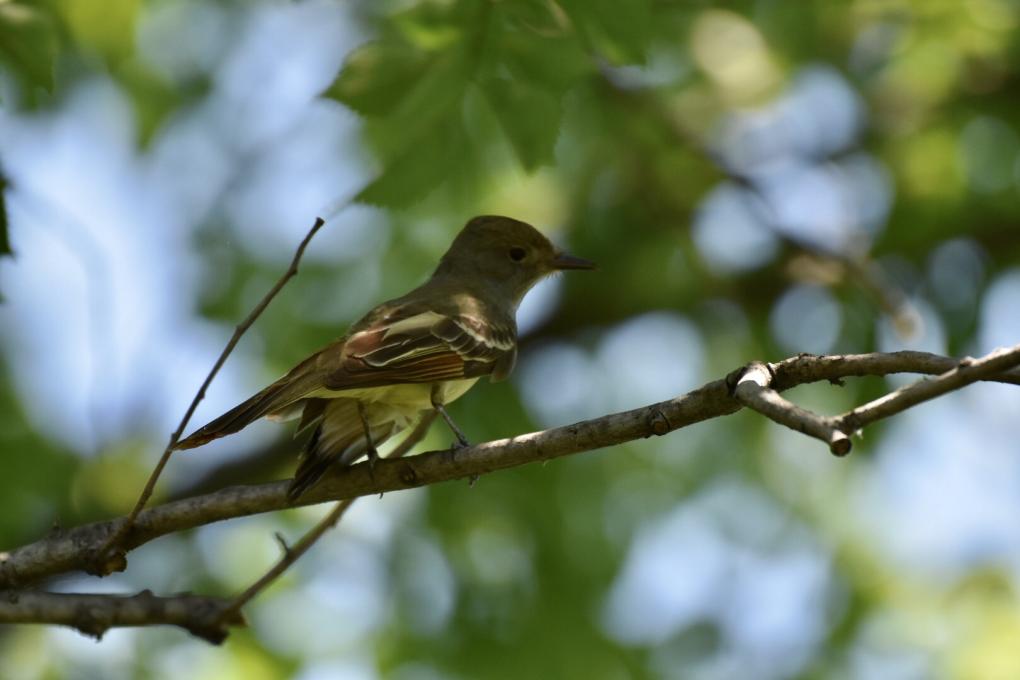 I’ve taken photography courses before so I knew some basics but I always forget and need to brush up. I was working with a Nikon D3500 with a 200-500 zoom lens. My husband had purchased a refurbished Nikon teleconverter 2x. I didn’t get to use it before I dropped the base of my camera and broke the base.😑 I’ll be purchasing an upgraded camera now that I know more about the f-stops.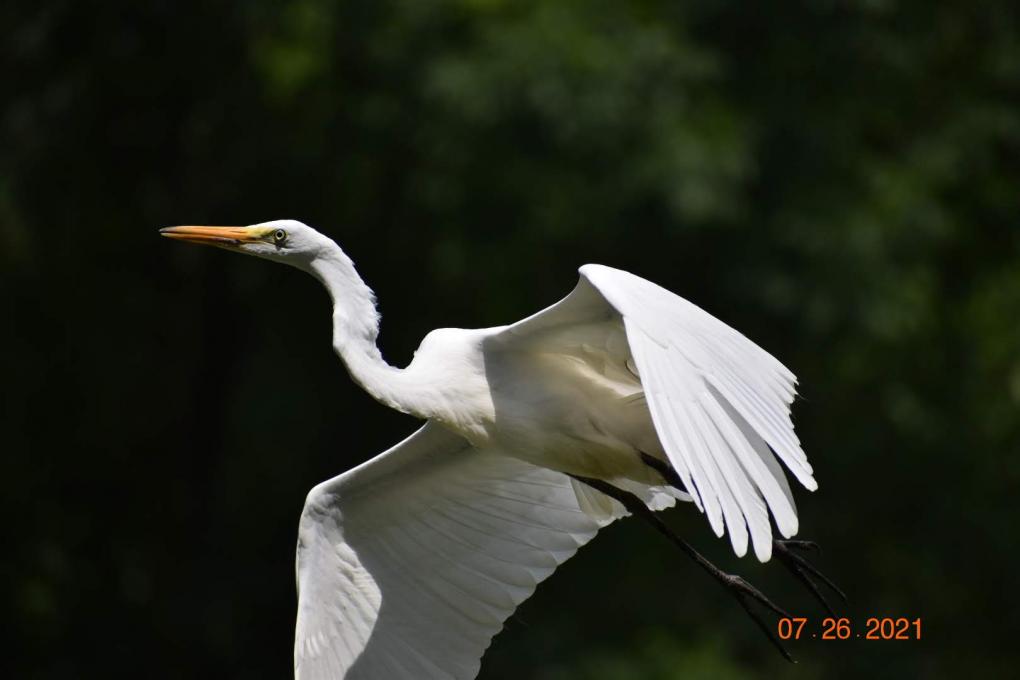
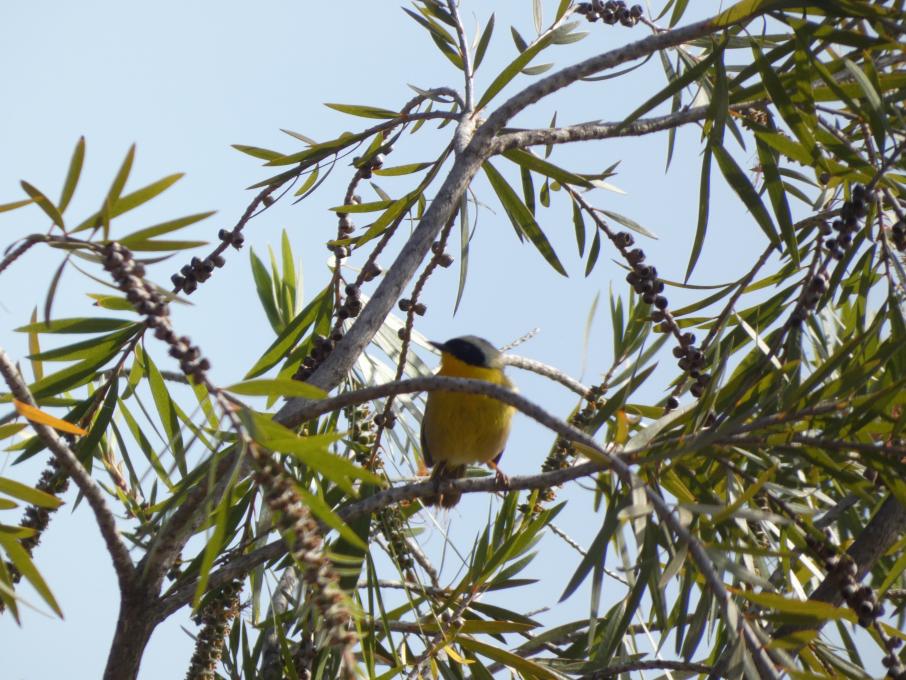 and a snowy egret.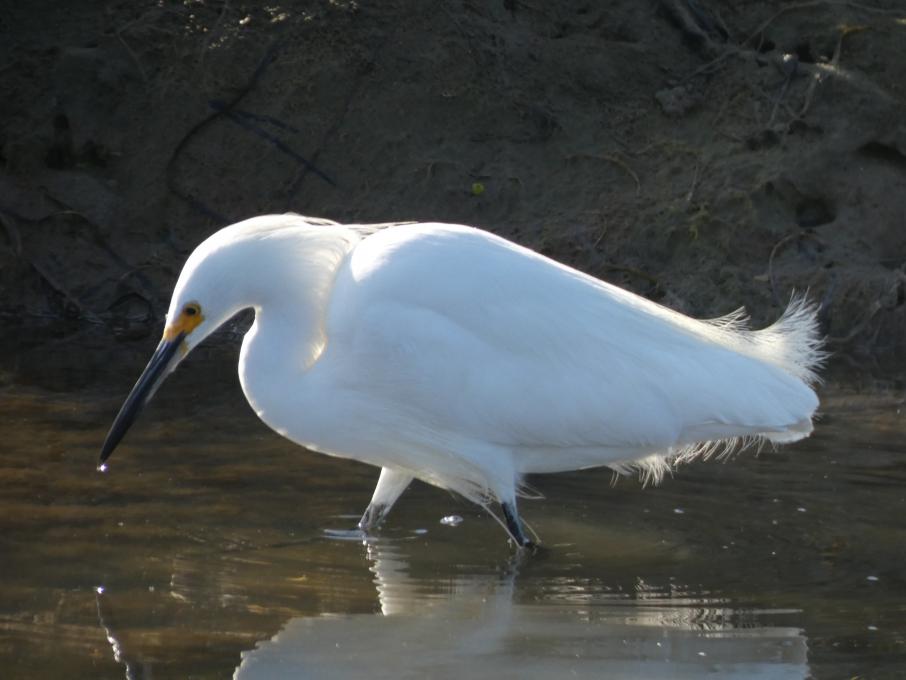
Read More: