Foraging by the Water
From swamps to shorelines to freshwater ponds, so many birds depend on water! Birds have a fascinatingly diverse array of adaptations and behaviors when it comes to finding food, and birds by the water are no different. Discover more about how birds find the food they need in watery environments with this quick overview. To see these waterbirds in action, scroll down to the gallery below!

Underwater Foraging
Some birds plunge beneath the surface in search of fish.
- Puffins can carry multiple fish at once thanks to special spines in their bills and on their tongues.
- Grebes have lobed toes and legs set far back on their bodies to help them dive after prey.
- Boobies and gannets have torpedo-shaped bodies and narrow, pointed wings that make diving easier. They tuck in their wings just before hitting the water.
- Mergansers have serrated bills to help them grip slippery fish.
- Dabbling ducks tip tail-up to reach plants and bugs just below the surface.
Learn More:
Learning duck foraging behaviors can help you with duck and waterfowl ID! Find out more in Be a Better Birder: Duck and Waterfowl Identification.
Waders, Rails and Marsh-Walkers
These birds patrol the water’s edge, using long legs and bills to search for prey in shallow water, mud, or among plants.
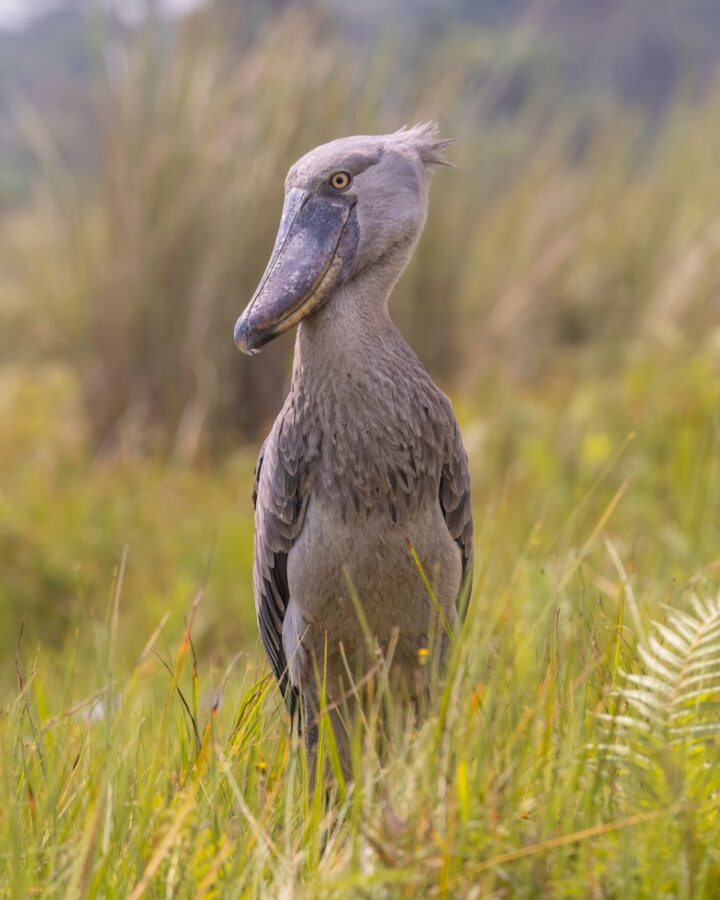
- Shoebills wait motionless, snapping up fish, frogs, and other small vertebrates with ease in their powerful, hooked beaks.
- Herons and egrets stalk quietly, then strike with sharp bills.
- Rails slip through marshes, grabbing prey from the surface or probing mud for insects, crustaceans, and seeds.
- Stilts and avocets sweep the water with their bills or pick at small invertebrates in wetlands.
Learn More:
Enjoy a video of Black-necked Stilts in action in Foraging and Flocking.
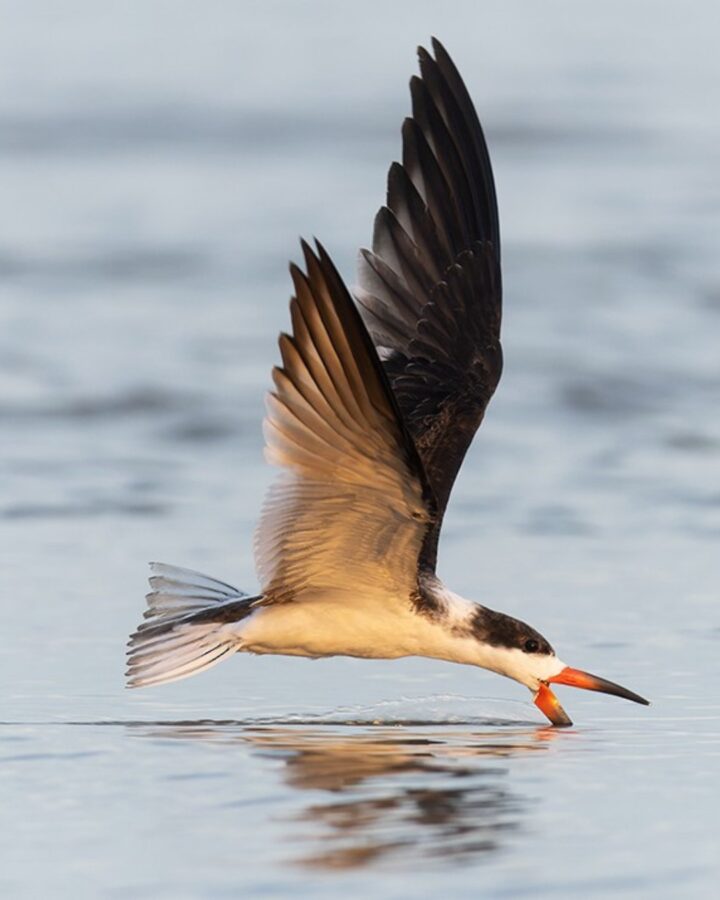
Surface Feeders
Not all birds dive or wade. Some feed right at the water’s surface, using clever strategies to gather tiny prey or filter food from the water.
- Black Skimmers fly just above calm water with their long lower bill slicing the surface, snapping shut when they hit a fish.
- Flamingos feed with their heads upside-down, pumping water through their bills to filter out tiny shrimp and algae.
- Phalaropes spin in circles, stirring up prey and picking it off the surface.
- With partly opened spoon-shaped bills, Roseate Spoonbills sweep for shrimp, insects, and fish—snapping shut on contact and swallowing prey whole.
Learn More:
For many birds, diet plays a big role in producing vibrant and colorful feathers! Find out more in “How Birds Make Colorful Feathers”
Gallery: Foraging on the Water
Enjoy views of birds and their foraging behaviors with these beautiful images, courtesy of the Macaulay Library.

Atlantic Puffin by Marcin Dyduch / Macaulay Library
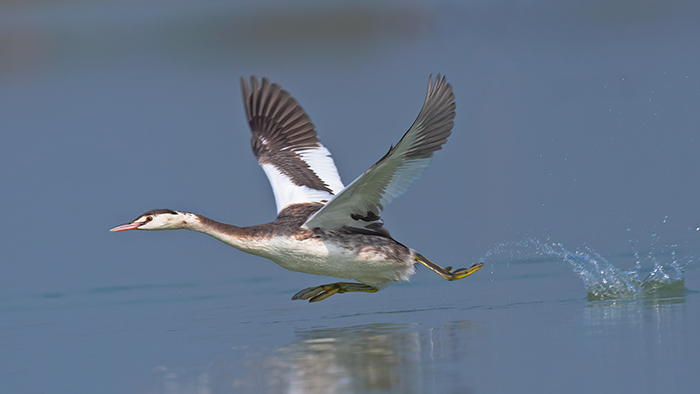
Great Crested Grebe by Rajkumar-Das / Macaulay Library
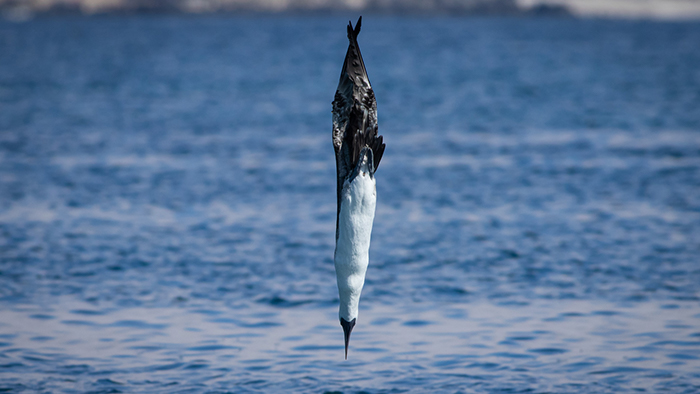
especially when they tuck in their narrow wings just before hitting the water.
Peruvian Booby by Ariel Cabrera Foix / Macaulay Library
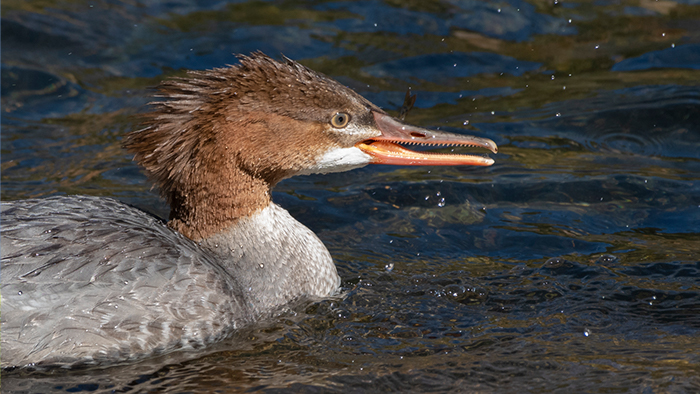
Common Merganser by Bryan Calk / Macaulay Library
Green Heron by Benjamin Clock / Macaulay Library

Virginia Rail by Lisa Hansen / Macaulay Library
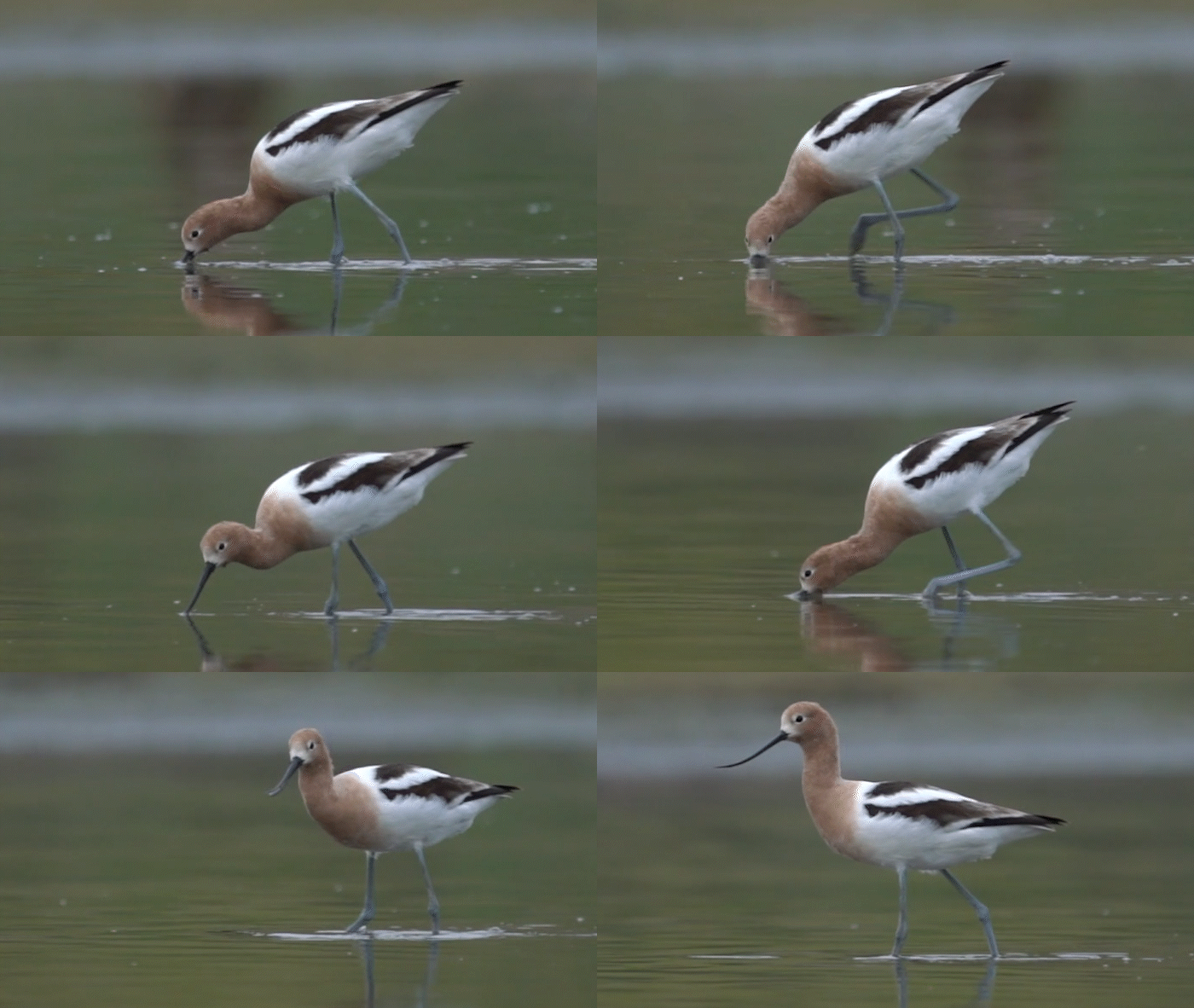
American Avocet by Anonymous / Macaulay Library

They pump and filter water through their beaks to dine on tiny shrimp and algae.
Greater Flamingo by SONER SABIRLI / Macaulay Library
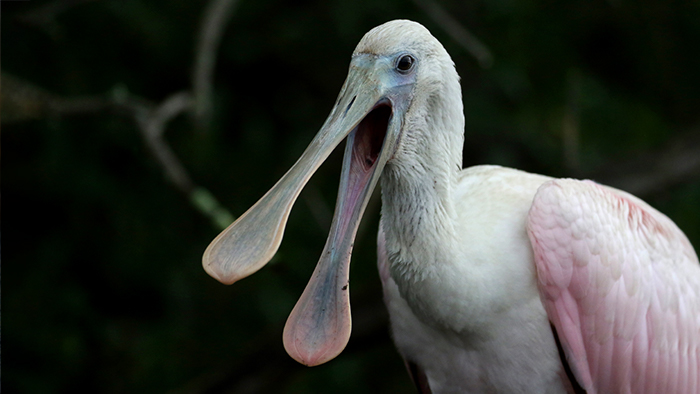
Roseate Spoonbill by Jay McGowan / Macaulay Library
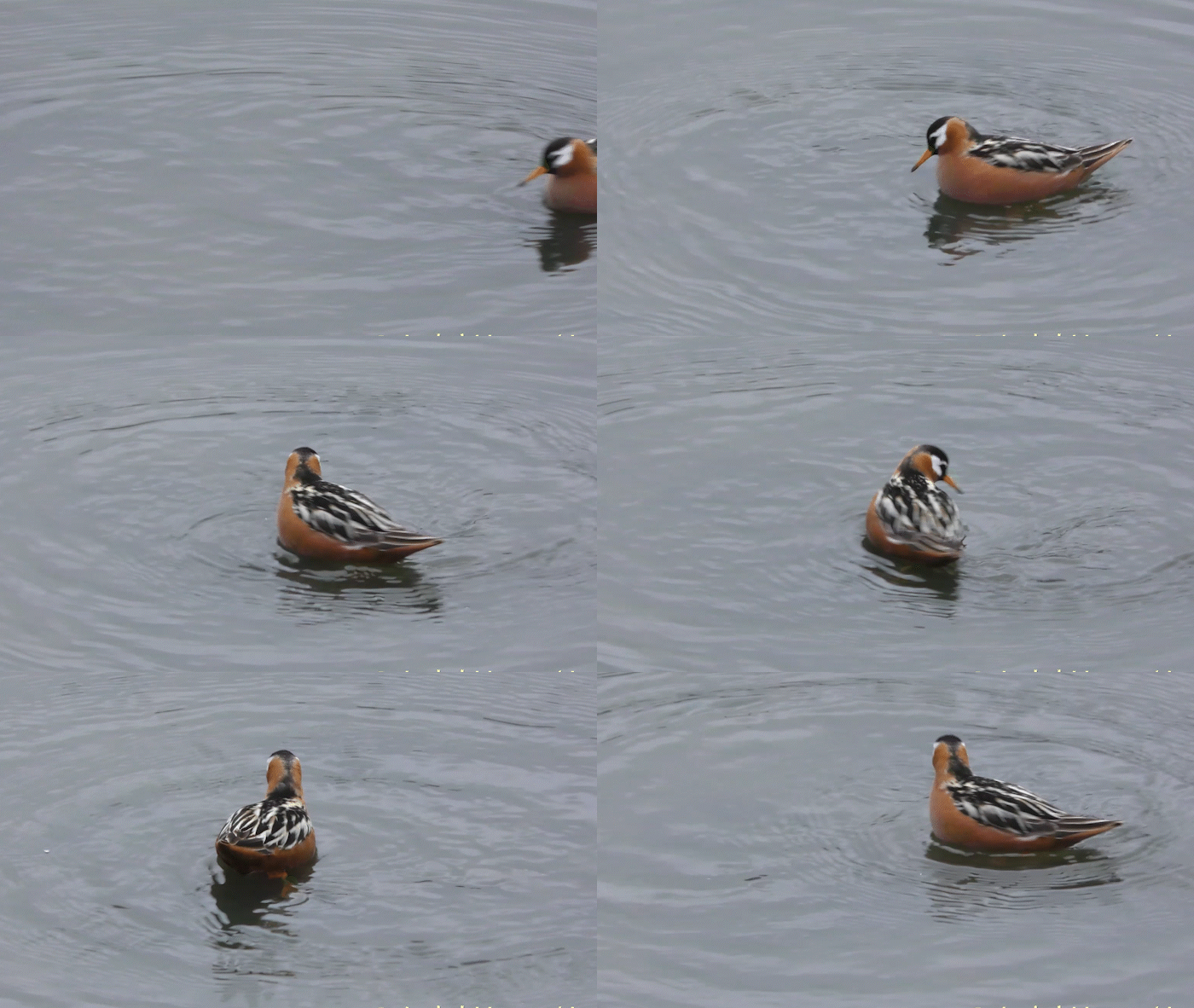
Red Phalarope by Josep del Hoyo / Macaulay Library
The Wonderful World of Birds
Bird Academy’s self-paced online courses are a fantastic way to explore the bird world. Here are a few great courses all about birds to discover and enjoy.